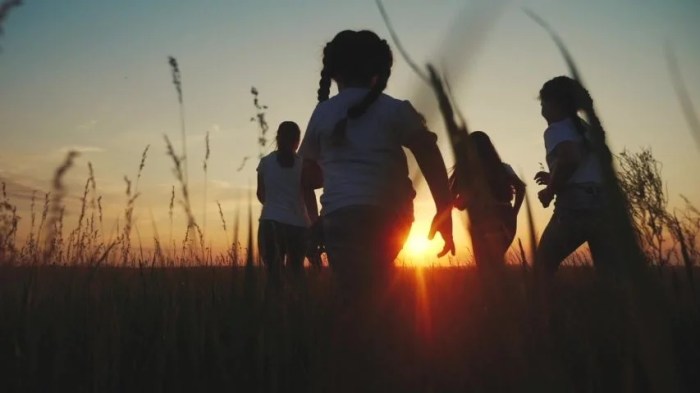

Family nature holidays beckon! Imagine yourselves, embarking on exciting adventures where the everyday fades away and the wonders of the natural world take center stage. This is more than just a vacation; it’s an immersive experience that nurtures a love for the outdoors, strengthens family bonds, and creates memories that will last a lifetime. We’ll delve into the magic of these nature-based escapes, exploring everything from choosing the perfect destination to planning unforgettable activities that will leave everyone, from the youngest explorer to the seasoned adventurer, utterly captivated.
We’ll uncover the diverse range of family nature holiday options, from cozy camping trips under starry skies to luxurious eco-lodge retreats. Prepare to discover how these experiences can boost child development, ignite a passion for conservation, and provide a much-needed break from the hustle and bustle of modern life. Get ready to pack your bags, gather your loved ones, and prepare for an adventure of a lifetime!
Introduction: Defining Family Nature Holidays
Source: picdn.net
Family nature holidays offer a refreshing alternative to the hustle and bustle of modern life. They provide opportunities for families to reconnect with each other and the natural world, fostering a sense of adventure, learning, and well-being.
Defining Family Nature Holidays
Family nature holidays are specifically designed vacations that prioritize experiences in natural environments. These holidays typically involve outdoor activities and immersion in nature, often with an educational component. The focus is on experiencing and appreciating the natural world.
Core Benefits of Nature-Based Vacations for Families
Nature-based vacations offer significant advantages for families, particularly in fostering child development. Exposure to nature has been linked to numerous positive outcomes, from improved physical health to enhanced cognitive function.
- Enhanced Physical Health: Outdoor activities like hiking, swimming, and playing in parks encourage physical activity. Children gain strength, coordination, and stamina. This contrasts with sedentary lifestyles often associated with screen time. A study published in the
-International Journal of Environmental Research and Public Health* found that children who spend more time outdoors have lower rates of obesity and related health problems. - Improved Cognitive Development: Nature stimulates the senses and encourages exploration. This environment fosters creativity, problem-solving skills, and critical thinking. Children learn by observing, experimenting, and interacting with their surroundings. For example, identifying different types of trees or building a dam in a stream.
- Emotional Well-being and Reduced Stress: Time spent in nature can reduce stress and anxiety levels in both children and adults. The calming effect of natural environments promotes relaxation and a sense of peace. A study published in
-Environmental Psychology* indicated that even short periods of exposure to nature can lower cortisol levels, the body’s primary stress hormone. - Strengthened Family Bonds: Nature holidays provide opportunities for families to spend quality time together, away from distractions. Shared experiences and challenges, like navigating a hiking trail or identifying wildlife, build strong relationships and create lasting memories.
- Environmental Awareness: Nature-based vacations often promote an understanding of environmental conservation. Children learn about ecosystems, biodiversity, and the importance of protecting natural resources. This can inspire a lifelong appreciation for the environment.
The Growing Trend of Family Nature Holidays
Family nature holidays are experiencing a surge in popularity. Several factors contribute to this trend, reflecting a broader societal shift towards health, well-being, and environmental consciousness.
- Increased Awareness of Health Benefits: Growing awareness of the health benefits of spending time in nature is driving demand. Parents are increasingly seeking activities that promote their children’s physical and mental well-being.
- Desire for Authentic Experiences: Families are looking for more meaningful and authentic travel experiences, moving away from overly commercialized tourist attractions. Nature holidays offer opportunities for genuine connection with the environment and local cultures.
- Technological Disconnect: Many families seek a break from the constant connectivity of modern technology. Nature holidays provide a chance to disconnect from screens and reconnect with each other and the natural world.
- Environmental Concerns: A growing concern for environmental sustainability and a desire to protect natural resources are motivating families to choose eco-friendly travel options. Nature holidays often align with these values.
- Accessibility and Variety: The increasing availability of nature-based holiday options, from national parks and camping sites to eco-lodges and adventure tours, makes these vacations accessible to a wider range of families. The options are vast.
Types of Family Nature Holidays

Source: wikimedia.org
Family nature holidays offer a fantastic escape from the everyday, providing opportunities for connection, learning, and adventure. From pitching a tent under the stars to luxurious eco-lodges, the options are as diverse as the families who enjoy them. Choosing the right type of holiday depends on your family’s interests, budget, and the ages of your children.
Diverse Nature Holiday Options
There’s a wide array of nature-based holidays perfect for families. Consider these options when planning your next adventure:
- Camping: A classic choice, camping offers a budget-friendly way to immerse yourselves in nature. Families can choose from basic campsites to those with amenities like swimming pools and playgrounds.
- Glamping: For those who enjoy camping but prefer a touch of luxury, glamping provides comfortable accommodations like yurts, tipis, or safari tents, often with ensuite bathrooms and comfortable beds.
- Eco-Lodges: Eco-lodges are designed to minimize environmental impact while providing comfortable and often luxurious accommodations. They frequently focus on sustainability and offer opportunities for wildlife viewing and educational experiences.
- Wildlife Safaris: Witnessing animals in their natural habitat is an unforgettable experience. Safaris can range from budget-friendly camping trips to high-end lodge stays, offering opportunities to see iconic wildlife.
- Hiking and Trekking: From gentle walks to challenging multi-day treks, hiking holidays offer opportunities for exercise, exploration, and breathtaking scenery.
- Water-Based Activities: Kayaking, canoeing, and paddleboarding are great options for families who love being on the water. Many destinations offer guided tours and lessons.
- Farm Stays: Experience life on a working farm, with opportunities to interact with animals, learn about agriculture, and enjoy fresh, local food.
- National Park Visits: Exploring national parks provides access to diverse ecosystems, hiking trails, and wildlife viewing opportunities.
Holiday Type Comparison
Choosing the right holiday can be tricky. This table provides a comparison of different holiday types based on cost, comfort, and age suitability:
| Holiday Type | Cost | Comfort | Age Suitability | Example |
|---|---|---|---|---|
| Camping | Low | Basic | All ages (with modifications) | Camping in a state park with a playground and fire pits. |
| Glamping | Mid-range | Comfortable | All ages | Staying in a yurt with a private bathroom and a wood-burning stove. |
| Eco-Lodges | Mid-range to High | Very Comfortable | All ages | Staying in a lodge in Costa Rica with guided wildlife tours and educational programs. |
| Wildlife Safaris | Mid-range to High | Comfortable to Luxurious | Older children (some options for younger children) | A safari in Kenya, staying in a lodge with game drives. |
| Hiking/Trekking | Low to Mid-range | Variable (depends on accommodation) | Older children and teenagers (some options for younger children) | A guided hike in the Scottish Highlands with overnight stays in hostels. |
Nature Holidays Tailored to Different Age Groups
Different age groups have varying needs and interests. Here are some examples of nature holidays tailored to specific age groups:
- Toddlers (1-3 years old): Focus on gentle experiences, short walks, and safe environments. Consider farm stays where children can interact with animals, or campsites with playgrounds and shallow swimming pools. The key is to provide safe, accessible activities that are age-appropriate and stimulate curiosity.
- Pre-teens (8-12 years old): This age group is ready for more adventurous activities and longer explorations. Activities like kayaking, guided nature walks with a focus on wildlife, or exploring national parks with age-appropriate ranger programs are suitable. They also enjoy learning about nature through interactive experiences.
- Teenagers (13-19 years old): Teenagers often seek adventure and independence. Consider multi-day hiking or biking trips, wildlife safaris, or volunteering opportunities in conservation projects. Activities that challenge them physically and intellectually, while allowing them to connect with nature, are ideal.
Choosing the Right Destination
Embarking on a family nature holiday is an exciting prospect, but choosing the right destination is crucial for ensuring a memorable and enjoyable experience for everyone. Careful consideration of various factors will help you select a location that aligns with your family’s interests, abilities, and needs, maximizing the potential for fun, learning, and connection with nature. Let’s delve into the essential elements to consider when planning your nature-filled adventure.
Crucial Factors for Destination Selection
Selecting the perfect destination involves evaluating several key elements to guarantee a fulfilling experience. These factors encompass practical considerations, family preferences, and environmental aspects. Here’s a breakdown of the essential elements to guide your decision-making process:
- Interests and Abilities of Family Members: Consider the age range, physical abilities, and interests of each family member. A family with young children might prefer destinations with gentle trails, accessible activities, and shorter travel times. Teenagers might enjoy destinations offering more adventurous activities like rock climbing or kayaking. A destination that caters to a wide range of interests will ensure everyone feels engaged and entertained.
- Accessibility and Logistics: Assess the ease of travel to the destination. Consider factors like flight duration, transportation options from the airport, and the availability of family-friendly accommodations. Destinations with well-developed infrastructure, such as accessible trails, restrooms, and medical facilities, are generally preferable for families, especially those with young children or individuals with mobility challenges.
- Climate and Weather Conditions: Research the typical weather patterns during the time of year you plan to travel. Consider the potential for extreme temperatures, rainfall, or other weather-related challenges. Opting for a destination with favorable weather conditions during your travel dates will significantly enhance the overall experience. For example, consider a trip to the Canadian Rockies during the summer for pleasant temperatures and stunning scenery.
- Budget and Costs: Determine your budget for the trip and research the costs associated with travel, accommodation, activities, and food. Some destinations are more expensive than others, so it’s essential to find a location that aligns with your financial constraints. Consider the cost of park entrance fees, guided tours, and any special equipment rentals.
- Environmental Impact and Sustainability: Prioritize destinations committed to environmental conservation and sustainable tourism practices. Look for locations with eco-friendly accommodations, responsible waste management, and initiatives to protect local ecosystems. Supporting destinations that prioritize sustainability ensures your holiday has a positive impact on the environment.
- Wildlife Viewing Opportunities: If wildlife viewing is a priority, research the types of animals found in the area and the best times of year to spot them. Choose destinations with established wildlife viewing areas, guided tours, or opportunities for responsible wildlife encounters. For example, a safari in Tanzania offers incredible opportunities to see the “Big Five” (lion, leopard, elephant, rhino, and buffalo).
Examples of Well-Suited Destinations
Numerous destinations worldwide are exceptionally well-suited for family nature holidays, each offering unique experiences and opportunities for exploration. Here are some examples, highlighting their appeal for families:
- Costa Rica: This Central American country is a paradise for nature lovers, boasting diverse ecosystems, including rainforests, cloud forests, and beaches. Families can enjoy wildlife viewing (monkeys, sloths, toucans), zip-lining, hiking, and exploring national parks. The infrastructure is generally family-friendly, with readily available transportation and accommodations.
- Yellowstone National Park, USA: Famous for its geysers, hot springs, and abundant wildlife, Yellowstone offers a quintessential American nature experience. Families can hike, observe bison and elk, learn about geothermal activity, and enjoy ranger-led programs. The park provides various lodging options and amenities to accommodate families.
- The Galapagos Islands, Ecuador: A unique destination, the Galapagos Islands offer unparalleled opportunities to observe unique wildlife, including giant tortoises, marine iguanas, and blue-footed boobies. Families can snorkel, hike, and take boat tours to explore the islands’ diverse ecosystems. The islands are well-regulated to protect their fragile environment.
- Canadian Rockies, Canada: With stunning mountain scenery, turquoise lakes, and abundant wildlife, the Canadian Rockies provide a breathtaking backdrop for family adventures. Families can hike, canoe, spot bears and elk, and visit charming mountain towns. The region offers a range of accommodations, from campgrounds to luxury hotels.
- Zambia, Africa: Offering a more immersive experience, Zambia is known for its exceptional walking safaris and opportunities to see wildlife up close. Families can explore national parks, go on boat safaris on the Zambezi River, and experience the authentic culture of the local communities. The emphasis on conservation and sustainable tourism makes Zambia a responsible choice for families.
Tips for Researching and Evaluating Destinations
Thorough research and evaluation are essential for making informed decisions when selecting a destination. Leveraging various resources and tools will help you gather information and assess the suitability of a location for your family.
Family nature holidays are fantastic, offering adventures in the great outdoors! While exploring forests and mountains is amazing, sometimes a relaxing beach break is just what’s needed. You might also be interested in popular family beach vacations for some sun and sand fun. But after all the beach excitement, returning to nature’s embrace is a refreshing experience.
- Online Travel Guides and Websites: Utilize reputable travel guides and websites such as Lonely Planet, National Geographic, and TripAdvisor to gather information about potential destinations. These resources provide detailed descriptions, reviews, and recommendations for family-friendly activities, accommodations, and attractions.
- National Park and Tourism Board Websites: Official websites of national parks and tourism boards offer valuable insights into specific destinations. These websites often feature detailed information about trails, wildlife, activities, and visitor services. For example, the National Park Service website in the USA provides comprehensive information about national parks.
- Travel Blogs and Family Travel Forums: Read travel blogs and participate in online forums dedicated to family travel. These platforms offer firsthand accounts, tips, and recommendations from other families who have visited the destinations you are considering.
- Social Media: Explore social media platforms like Instagram and Facebook to discover visual inspiration and real-time updates from travelers. Search for hashtags related to your destination to see photos, videos, and recommendations from other families.
- Consult with a Travel Agent: Consider consulting with a travel agent specializing in family travel. A travel agent can provide expert advice, help you plan your itinerary, and book accommodations and activities. They can also provide information on any health and safety considerations.
- Read Reviews and Testimonials: Read reviews and testimonials from other travelers to get a sense of the experiences offered by different destinations. Pay attention to reviews from families with similar interests and needs.
By following these tips, families can gather comprehensive information and make well-informed decisions when selecting a destination for their nature holiday, ensuring a memorable and enjoyable experience for everyone.
Planning and Preparation

Source: publicdomainpictures.net
Embarking on a family nature holiday is an exciting adventure, but proper planning is crucial for a smooth and enjoyable experience. Meticulous preparation minimizes stress and maximizes the opportunity to create lasting memories. This section offers a comprehensive guide to ensure you are well-equipped for your family’s nature escapade.
Step-by-Step Guide for Planning a Family Nature Holiday
Planning a family nature holiday requires a systematic approach. Begin several months in advance to secure accommodations, transportation, and permits, especially during peak seasons.
Family nature holidays offer a chance to reconnect with the world, but sometimes, you crave a bit more comfort. Perhaps the kids are clamoring for a pool and a kids’ club? That’s where exploring options like family resort trips comes in handy, balancing relaxation with adventure. Still, the call of the wild, the rustling leaves, and the open sky eventually draw you back to nature’s embrace for a truly memorable experience.
- Define Your Goals and Interests: Discuss with your family what type of nature experience you desire. Consider factors like difficulty level, desired activities (hiking, camping, wildlife viewing), and preferred climate. This initial step will guide all subsequent decisions.
- Choose Your Destination: Based on your family’s interests and preferences, research potential destinations. Explore national parks, forests, and wildlife refuges that offer the activities and scenery you seek. Research the accessibility of the area, the types of wildlife to be encountered, and any safety precautions that should be considered.
- Set a Budget: Determine a realistic budget that covers transportation, accommodation, activities, food, and gear. Research costs associated with each aspect of the trip to avoid unexpected expenses.
- Book Transportation and Accommodation: Secure flights, train tickets, or rental cars well in advance, particularly during peak season. Book accommodations, whether it’s a hotel, cabin, or campsite. Make sure you have appropriate transportation for the terrain and distance you plan to cover.
- Plan Your Itinerary: Create a detailed itinerary that includes daily activities, estimated travel times, and backup plans in case of weather or other unforeseen circumstances. Research specific trails, attractions, and points of interest.
- Gather Necessary Permits and Reservations: Obtain any required permits for camping, hiking, or other activities. Make reservations for guided tours, park entry, or other experiences that require them.
- Prepare Your Gear: Create a comprehensive packing list and gather all necessary equipment, including clothing, footwear, and outdoor gear. Check the weather forecast and adjust your packing list accordingly.
- Plan Your Meals: Plan your meals and pack food items, especially if you’re camping or in a remote location. Consider dietary restrictions and preferences within your family. Pack non-perishable items and research local grocery stores or restaurants for fresh supplies.
- Inform Yourself About Safety and Regulations: Research safety guidelines, potential hazards (wildlife encounters, weather conditions), and any specific park regulations. Familiarize yourself with first-aid procedures and pack a first-aid kit.
- Share the Plan and Involve Your Family: Communicate the itinerary and packing list with your family. Involve them in the planning process to build excitement and ensure everyone is prepared for the adventure. Assign responsibilities to different family members to foster teamwork.
Checklist of Essential Items to Pack for Different Types of Nature Holidays
Packing efficiently is key to a successful nature holiday. This checklist is designed to assist you in preparing for various outdoor adventures, ensuring you have the essentials for a safe and enjoyable experience. Remember to adjust this list based on your specific destination, the time of year, and the activities planned.
Family nature holidays are the perfect escape, offering fresh air and unforgettable experiences. But where to begin planning your adventure? Don’t fret! Finding the ideal spot is easier than you think; simply explore the best places to visit with family near me to discover hidden gems. Whether it’s hiking trails or lakeside camping, these locations promise incredible family memories, making your nature holiday truly special.
For Camping:
Family nature holidays are fantastic, offering fresh air and adventure! But sometimes, the usual spots get a little crowded. If you’re craving something different, consider exploring the best unknown family vacation spots to find hidden gems perfect for creating lasting memories with your loved ones. These unique locations still allow for incredible family nature holidays.
- Shelter and Bedding: Tent, sleeping bags, sleeping pads, pillows.
- Cooking and Food: Camp stove, fuel, cookware, utensils, plates, cups, cooler, food storage containers, non-perishable food items.
- Clothing: Moisture-wicking base layers, insulated layers, waterproof jacket and pants, hiking boots, socks, hat, gloves.
- Lighting: Headlamps or flashlights, extra batteries.
- First-Aid and Safety: First-aid kit, sunscreen, insect repellent, bear spray (if applicable), map, compass or GPS.
- Other Essentials: Water bottles or hydration reservoir, water filter or purification tablets, camp chairs, table, trash bags, toilet paper, trowel.
For Hiking:
- Footwear: Hiking boots or sturdy trail shoes.
- Clothing: Moisture-wicking base layers, hiking pants or shorts, layered clothing for varying temperatures, rain gear.
- Backpack: Daypack or larger backpack depending on the length of the hike.
- Navigation: Map, compass, or GPS.
- Food and Water: Plenty of water or a water filter, high-energy snacks (trail mix, energy bars).
- First-Aid and Safety: First-aid kit, sunscreen, insect repellent, hat, sunglasses.
- Other Essentials: Trekking poles (optional), knife or multi-tool, whistle.
For Wildlife Viewing:
- Binoculars: High-quality binoculars for observing wildlife.
- Field Guide: Identification guides for local flora and fauna.
- Camera: Camera with a telephoto lens for capturing wildlife.
- Clothing: Neutral-colored clothing to blend in with the surroundings.
- Other Essentials: Sunscreen, insect repellent, hat, water, snacks.
General Essentials (Applicable to all nature holidays):
- Identification: Driver’s licenses or passports, park passes.
- Cash and Credit Cards: Sufficient funds for purchases and emergencies.
- Medications: Any personal medications, including prescriptions and over-the-counter remedies.
- Toiletries: Toothbrush, toothpaste, soap, shampoo, etc.
- Electronics: Phone, charger, portable power bank.
- Entertainment: Books, games, or other activities for downtime.
Sample Itinerary for a 7-Day Family Nature Holiday
This sample itinerary is designed for a family nature holiday in a national park, but can be adapted to other locations. The itinerary balances structured activities with free time, offering a variety of experiences for all ages.
Location: Yellowstone National Park, Wyoming, USA (Example)
Day 1: Arrival and Exploration of the Lower Loop
- Arrive at Yellowstone National Park, check into accommodation (e.g., lodging in the park or a nearby town).
- Drive the Lower Loop, stopping at iconic locations like the Grand Prismatic Spring (viewing from the overlook) and the Midway Geyser Basin.
- Easy walk along the boardwalks of the Fountain Paint Pot area to observe hot springs and geysers.
- Evening: Dinner at a restaurant in the park or prepare a meal at your accommodation.
Day 2: Geothermal Wonders and Wildlife Viewing
- Morning: Visit Old Faithful and observe the geyser’s eruption.
- Explore the Upper Geyser Basin, visiting various geysers and hot springs.
- Afternoon: Drive to the Hayden Valley, known for wildlife viewing (bison, elk, possibly wolves or bears). Use binoculars and spotting scopes for better views.
- Evening: Attend a ranger program to learn more about the park’s history and wildlife.
Day 3: Hiking and Waterfalls
- Morning: Hike a family-friendly trail, such as the trail to Mystic Falls (moderate, about 2.4 miles roundtrip)
- Afternoon: Visit the Grand Canyon of the Yellowstone, and take a short hike along the South Rim Trail to view the Lower Falls.
- Optional: Consider a short, guided nature walk with a park ranger to learn about the local ecosystem.
- Evening: Prepare a campfire and roast marshmallows.
Day 4: Lake Yellowstone and Boating
- Morning: Drive to Lake Yellowstone and visit the West Thumb Geyser Basin, located on the shores of the lake.
- Afternoon: Rent a boat or kayak on Lake Yellowstone for a relaxing experience. Enjoy the views of the lake and the surrounding mountains.
- Evening: Have a picnic dinner by the lake.
Day 5: Lamar Valley and Wildlife Spotting
Family nature holidays are a fantastic way to reconnect with each other and the great outdoors. But if you’re looking for even more inspiration, consider exploring some of the cool family vacation destinations that blend adventure with relaxation. Whether it’s hiking in the mountains or simply camping under the stars, family nature holidays create lasting memories.
- Early Morning: Drive to Lamar Valley, known as “America’s Serengeti,” for wildlife viewing (bison, elk, wolves, pronghorn). Bring binoculars and spotting scopes.
- Daytime: Participate in a guided wildlife tour or explore the area independently.
- Afternoon: Visit the Roosevelt Arch at the North Entrance.
- Evening: Enjoy a family game night at your accommodation.
Day 6: Relaxation and Optional Activities
- Morning: Relax at your accommodation or explore a local town.
- Afternoon: Optional activities: Visit a visitor center to learn about the park’s history, take a horseback riding tour, or go fishing (with a valid license).
- Evening: Pack for departure.
Day 7: Departure
- Enjoy a final breakfast.
- Depart from Yellowstone National Park, reflecting on the memories made.
Note: This itinerary is a suggestion and can be customized based on your family’s interests, physical abilities, and the time of year. Always check for current park conditions, weather forecasts, and any closures before your trip.
Activities and Experiences
Family nature holidays are a treasure trove of experiences, offering a chance to disconnect from screens and reconnect with each other and the natural world. The key to a successful nature holiday lies in curating activities that are engaging, age-appropriate, and infused with learning opportunities. From toddler-friendly explorations to challenging adventures for teenagers, the possibilities are endless.
Engaging Activities for Different Age Groups
Planning activities with the right age group in mind is essential for maximizing enjoyment and ensuring everyone has a positive experience. Tailoring the activities to the developmental stage of each child allows them to participate fully and appreciate the wonders of nature.
- Toddlers (Ages 1-3): At this age, simple sensory experiences are key. Think of it as a gentle introduction to the outdoors.
- Nature Walks: Short, slow walks are ideal. Let them explore at their own pace, pointing out interesting leaves, rocks, and insects. Pack a carrier for when little legs get tired.
- Sensory Play: Create a “sensory bin” with natural elements like sand, water, leaves, and pinecones. This allows for tactile exploration and discovery.
- Animal Sounds: Imitate animal sounds and point out the animals that make them. Use picture books of animals.
- Preschoolers (Ages 3-5): Preschoolers are becoming more curious and active. Activities should encourage exploration and hands-on learning.
- Nature Scavenger Hunts: Create a list of items to find, like a specific type of leaf, a feather, or a smooth stone. This encourages observation and problem-solving.
- Storytelling: Read nature-themed books aloud and act them out. Use props like puppets or animal figures.
- Simple Crafts: Collect natural materials to make simple crafts, such as leaf rubbings or stick sculptures.
- Early Elementary (Ages 6-8): Children in this age group are ready for more structured activities and can handle longer attention spans.
- Nature Journaling: Encourage children to keep a nature journal, drawing pictures and writing observations about what they see and experience.
- Bug Hunting: Provide magnifying glasses and bug catchers for safe insect observation. Learn about different insect species.
- Building a Fort: Let children build a fort using natural materials like branches, leaves, and stones. This promotes teamwork and creativity.
- Tweens (Ages 9-12): Tweens are ready for more challenging and engaging activities that tap into their growing independence and curiosity.
- Hiking: Plan longer hikes with varying terrains. Incorporate games like “I Spy” or identify animal tracks.
- Wildlife Photography: Provide cameras (or use smartphone cameras) and teach basic photography techniques. Encourage them to capture the beauty of nature.
- Orienteering: Teach basic map and compass skills and set up a small orienteering course. This builds problem-solving skills and navigation.
- Teenagers (Ages 13+): Teenagers seek adventure and opportunities to test their limits. Activities should provide independence and encourage a sense of accomplishment.
- Backpacking: Plan a multi-day backpacking trip, teaching essential skills like packing, navigation, and wilderness safety.
- Kayaking or Canoeing: Explore waterways and learn about aquatic ecosystems. Consider guided tours for safety and education.
- Stargazing: Learn about constellations and planets using a telescope or stargazing app. Combine this with overnight camping.
Incorporating Educational Elements into Nature Holiday Activities
Integrating learning into nature holiday activities enhances the experience, fostering a deeper appreciation for the environment and promoting critical thinking. It turns a vacation into a learning adventure, making it both enjoyable and enriching.
- Researching the Destination: Before your trip, involve the family in researching the local flora, fauna, and ecosystems. This builds anticipation and provides context for your explorations.
- Utilizing Educational Resources: Bring along field guides, nature journals, and age-appropriate books to support learning. Websites and apps can also be valuable tools.
- Asking Questions: Encourage curiosity by asking open-ended questions like, “What do you think that animal eats?” or “Why do you think the leaves are changing color?”
- Creating a “Nature Notebook”: Encourage children to keep a nature journal, where they can draw, write, and collect specimens (with permission and respect for the environment).
- Connecting to Curriculum: Link activities to what children are learning in school. For example, a lesson on the water cycle can be reinforced by observing a river or lake.
Integrating Outdoor Learning Experiences
Outdoor learning experiences provide hands-on opportunities to connect with nature, building valuable skills and fostering a sense of wonder. These experiences can range from simple observation to more structured activities.
- Wildlife Tracking: Learn to identify animal tracks and signs, such as scat, fur, and claw marks. This is an exciting way to understand animal behavior and ecology.
- Example: Visit a local park or nature preserve. Examine the ground for tracks. Use a field guide to identify the animal that made them. Discuss the animal’s habitat and diet.
- Plant Identification: Learn to identify different plant species using field guides or apps. This teaches botanical knowledge and appreciation for plant diversity.
- Example: Go on a nature walk and collect leaves from different trees. Use a tree identification guide to identify the species. Discuss the characteristics of each tree, such as its bark, leaves, and fruit.
- Stargazing: Observe the night sky and learn about constellations, planets, and celestial events. This sparks curiosity about the universe and promotes scientific thinking.
- Example: On a clear night, set up a telescope or use a stargazing app. Locate constellations like the Big Dipper and Orion. Learn about the planets visible that night. Discuss the science of astronomy.
- Geocaching: Participate in geocaching, a treasure-hunting activity that uses GPS coordinates to find hidden containers (caches). This promotes navigation skills and exploration.
- Example: Download a geocaching app and search for nearby caches. Follow the GPS coordinates to find the cache. Sign the logbook and leave a small trinket (if appropriate).
Accommodation and Sustainability: Family Nature Holidays
Choosing the right accommodation and practicing sustainable habits are essential for ensuring your family nature holiday is both enjoyable and responsible. This section explores various accommodation options, highlighting their pros and cons, and provides practical tips for minimizing your environmental footprint while connecting with nature.
Family-Friendly Accommodation Options
Selecting suitable accommodation is key to a comfortable and memorable family nature holiday. Several options cater to different preferences and budgets.
- Camping: Camping offers a quintessential nature experience, allowing families to fully immerse themselves in the outdoors. From pitching a tent in a designated campsite to glamping in luxurious yurts, camping provides a range of options.
- Pros: Affordable, promotes family bonding, encourages outdoor activities, and fosters a connection with nature.
- Cons: Can be challenging with young children, requires packing and setting up equipment, weather-dependent, and may lack some modern conveniences.
- Cabin Rentals: Cabins provide a comfortable blend of nature and convenience, offering a rustic charm with essential amenities.
- Pros: More comfortable than camping, provides privacy, often includes a kitchen and bathroom, and can be located in beautiful natural settings.
- Cons: Can be more expensive than camping, requires booking in advance, and may be located far from certain attractions.
- Eco-Lodges: Eco-lodges are designed with sustainability in mind, often incorporating renewable energy, water conservation measures, and locally sourced materials.
- Pros: Environmentally friendly, supports local communities, often offers unique experiences like wildlife viewing or guided hikes, and provides a luxurious stay.
- Cons: Can be more expensive than other options, may be located in remote areas, and amenities can vary.
- Vacation Rentals: Renting a house or apartment in a natural setting offers flexibility and space for families.
- Pros: Provides ample space, offers a kitchen and laundry facilities, allows for self-catering, and can be a more affordable option for larger families.
- Cons: Requires more planning, may be located in less desirable areas, and can be less connected to nature than other options.
- Farm Stays: Farm stays offer a unique opportunity to experience rural life, interact with animals, and learn about sustainable farming practices.
- Pros: Educational and engaging for children, provides fresh food, supports local farmers, and offers a different perspective on nature.
- Cons: Can be less luxurious than other options, may require participation in farm chores, and can be located in remote areas.
Minimizing Environmental Impact
Making conscious choices can significantly reduce your family’s environmental impact during a nature holiday. Implementing these practices helps protect the environment and ensures the sustainability of these beautiful destinations.
- Pack Light: Reduce waste by packing only essential items. Use reusable water bottles, coffee cups, and shopping bags. Consider packing eco-friendly toiletries and cleaning products.
- Choose Sustainable Transportation: Opt for public transportation, cycling, or walking whenever possible. If driving, consolidate trips and carpool.
- Conserve Water: Take shorter showers, turn off the tap while brushing your teeth, and report any leaks.
- Reduce Waste: Bring reusable containers for snacks and meals. Avoid single-use plastics and dispose of waste responsibly. Look for recycling and composting options.
- Respect Wildlife: Observe wildlife from a distance and avoid feeding animals. Stay on marked trails and leave no trace behind.
- Support Local Businesses: Eat at local restaurants, purchase locally made products, and choose tour operators who prioritize sustainability.
- Educate Your Family: Discuss environmental issues and sustainable practices with your children. Involve them in making eco-conscious choices.
Eco-Friendly Accommodation and Sustainable Practices
Many accommodations are actively adopting sustainable practices to minimize their environmental footprint. Choosing these accommodations and incorporating their practices can enhance your family’s commitment to responsible travel.
- Examples of Eco-Friendly Accommodation:
- Solar-Powered Lodges: These lodges use solar panels to generate electricity, reducing their reliance on fossil fuels. They often incorporate water conservation measures and use locally sourced materials. An example would be a lodge in Costa Rica, where the owners have installed solar panels to generate electricity for the entire property, including guest rooms and common areas.
- Passive House Cabins: These cabins are designed to be energy-efficient, using passive solar heating and cooling. They are typically built with sustainable materials and have excellent insulation. Consider a cabin in the Swiss Alps, constructed with thick walls and triple-pane windows to minimize heat loss and reduce the need for heating.
- Farm Stays with Composting Toilets: These farm stays often use composting toilets to conserve water and reduce waste. They may also have gardens where they grow their own food. A family-run farm in Tuscany, Italy, has implemented composting toilets for its guests, along with a permaculture garden to grow organic produce for meals.
- Sustainable Practices to Adopt:
- Water Conservation: Take shorter showers and report leaks promptly. Collect rainwater for gardening or cleaning.
- Energy Efficiency: Turn off lights and appliances when not in use. Utilize natural ventilation and lighting.
- Waste Reduction: Bring reusable containers and bags. Compost food waste and recycle materials.
- Supporting Local: Eat at local restaurants and buy locally sourced products. This helps reduce transportation emissions and supports the local economy.
- Responsible Wildlife Viewing: Observe wildlife from a distance and avoid feeding animals. Stay on marked trails and do not disturb their habitats.
Safety and Health
Venturing into the natural world with family is an incredible experience, but it’s paramount to prioritize safety and health. Nature presents unique challenges, and being prepared can make the difference between a memorable adventure and a stressful situation. This section Artikels crucial safety precautions, health guidelines, and first-aid preparedness to ensure a safe and enjoyable family nature holiday.
Family nature holidays are a fantastic way to reconnect with each other and the great outdoors. But planning a trip can sometimes feel overwhelming. Thankfully, you can still experience incredible adventures without breaking the bank! Check out some amazing tips for budget family holidays to explore stunning natural landscapes and create lasting memories, making your family nature holiday dreams a reality.
Wildlife Encounters
Encountering wildlife is a highlight of many nature holidays, yet it’s essential to approach these encounters with respect and caution. Understanding animal behavior and taking preventative measures can significantly reduce the risk of conflict.
- Research the area: Before your trip, learn about the local wildlife. Identify potentially dangerous animals, their habitats, and their typical behavior. This information will help you make informed decisions about where to hike, camp, and explore.
- Maintain a safe distance: Always keep a safe distance from wildlife. Observe animals from afar using binoculars or a spotting scope. Avoid approaching, feeding, or attempting to touch any wild animal.
- Store food properly: Properly store all food, including food scraps and scented items like toiletries, to prevent attracting animals to your campsite or lodging. Use bear-resistant canisters or food storage lockers where necessary, particularly in areas with bears or other large mammals.
- Make noise: When hiking in areas with potentially dangerous wildlife, make noise to alert them to your presence. This can be done by talking, singing, or carrying a bear bell.
- Carry bear spray (if applicable): In areas with bears, carry bear spray and know how to use it. Bear spray is a highly effective deterrent and should be readily accessible.
- Teach children about wildlife safety: Educate children about the importance of respecting wildlife and the dangers of approaching animals. Explain that animals are unpredictable and can react defensively if they feel threatened.
- Know what to do in an encounter: If you encounter a potentially dangerous animal, remain calm and assess the situation. Back away slowly, and do not make sudden movements. If the animal approaches, follow local guidelines for that specific species. For example, with bears, you might be instructed to stand your ground and use bear spray if necessary.
Handling Common Health Issues and Emergencies
Outdoor environments can present various health challenges. Being prepared to handle common ailments and emergencies is crucial for a safe and enjoyable trip.
- Sun Protection: Prolonged sun exposure can lead to sunburn, heatstroke, and long-term skin damage.
- Apply sunscreen liberally and frequently: Use a broad-spectrum sunscreen with an SPF of 30 or higher. Reapply every two hours, or more often if swimming or sweating.
- Wear protective clothing: Cover exposed skin with clothing, including long sleeves, pants, and a wide-brimmed hat.
- Seek shade: Take breaks in the shade, especially during the hottest part of the day.
- Dehydration: Dehydration can quickly lead to fatigue, headaches, and other health problems.
- Drink plenty of fluids: Drink water regularly throughout the day, even if you don’t feel thirsty. Consider bringing electrolyte drinks or tablets to replenish lost minerals.
- Monitor urine color: A pale yellow urine color indicates adequate hydration, while dark yellow or amber urine indicates dehydration.
- Insect Bites and Stings: Insect bites and stings can cause discomfort, allergic reactions, and the transmission of diseases.
- Use insect repellent: Apply insect repellent containing DEET, picaridin, or other effective ingredients.
- Wear protective clothing: Wear long sleeves and pants, especially during dawn and dusk, when insects are most active.
- Treat bites and stings promptly: Apply a cold compress to reduce swelling and itching. Use an antihistamine for allergic reactions. Seek medical attention for severe reactions.
- Altitude Sickness: Altitude sickness can occur when traveling to high altitudes.
- Acclimatize gradually: Ascend to higher altitudes slowly, allowing your body to adjust.
- Stay hydrated: Drink plenty of fluids.
- Avoid strenuous activity: Limit strenuous activity during the first few days at high altitude.
- Seek medical attention: If you experience symptoms of altitude sickness, such as headache, nausea, and fatigue, descend to a lower altitude and seek medical attention.
- Minor Injuries: Minor injuries, such as cuts, scrapes, and blisters, are common on nature holidays.
- Clean and dress wounds: Clean minor wounds with soap and water and apply an antiseptic. Cover with a bandage.
- Treat blisters: Avoid popping blisters. Protect them with a bandage or moleskin.
- Seek medical attention: Seek medical attention for deep wounds, signs of infection, or injuries that do not improve.
- Emergency Preparedness: Be prepared for unexpected emergencies.
- Carry a communication device: Bring a cell phone, satellite phone, or personal locator beacon (PLB) to call for help in an emergency.
- Know your location: Be aware of your location at all times. Carry a map and compass and know how to use them.
- Inform someone of your itinerary: Leave a detailed itinerary with a friend or family member, including your planned route, activities, and expected return time.
Preparing a Family First-Aid Kit
A well-stocked first-aid kit is a necessity for any family nature holiday. It should be tailored to the specific activities and environment you’ll be experiencing.
- Essentials:
- Adhesive bandages in various sizes
- Sterile gauze pads
- Medical tape
- Antiseptic wipes or solution
- Antibiotic ointment
- Pain relievers (ibuprofen, acetaminophen)
- Antihistamine
- Antidiarrheal medication
- Motion sickness medication (if needed)
- Tweezers
- Scissors
- Safety pins
- Thermometer
- Hand sanitizer
- Sunscreen
- Insect repellent
- Specific to your activities:
- For hiking: blister treatment (moleskin, blister pads), athletic tape
- For water activities: waterproof bandages, ear plugs
- For camping: burn cream, insect bite cream
- Considerations for children:
- Include children’s versions of medications, such as pain relievers and antihistamines.
- Pack a small toy or comfort item to distract children during treatment.
- Emergency supplies:
- CPR mask
- Emergency blanket
- Splint
- First-aid manual
- Training and knowledge:
- Take a first-aid and CPR course to learn how to use the supplies in your kit.
- Familiarize yourself with the kit’s contents and how to use each item.
- Regularly check the expiration dates of medications and replace expired items.
Budgeting and Cost Considerations
Embarking on a family nature holiday offers incredible experiences, but careful financial planning is essential to ensure a stress-free and enjoyable trip. Understanding the various expenses involved and implementing strategies for cost reduction will help families create lasting memories without breaking the bank. A well-defined budget not only allows for better financial management but also helps in prioritizing activities and making informed decisions about accommodations and other aspects of the trip.
Creating a Realistic Budget
Developing a comprehensive budget involves identifying and estimating all potential costs. This includes not only the obvious expenses like transportation and accommodation but also the often-overlooked costs of food, activities, and incidentals. The more detailed the budget, the better the control over spending.
- Transportation: This encompasses travel to and from the destination (flights, train tickets, or gas for driving), as well as local transportation such as car rentals, public transport, or taxis. Researching prices from different airlines or transport providers and comparing options can lead to significant savings. Consider the time of travel; peak seasons typically have higher transportation costs.
- Accommodation: The type of accommodation chosen significantly impacts the budget. Options range from camping (the most budget-friendly) to luxury eco-lodges. Research and compare prices of hotels, rental apartments, or cabins, considering factors like location, amenities, and included services.
- Food: Food costs can be substantial. Decide whether to eat out at restaurants (expensive), prepare meals in self-catering accommodation (more affordable), or pack your own food and snacks (the most budget-conscious). Plan meals in advance and factor in the cost of groceries.
- Activities and Entertainment: Nature holidays often involve various activities, such as guided tours, park entrance fees, equipment rentals (e.g., kayaks, bikes), and souvenirs. Research activity costs beforehand and prioritize the ones that are most important to the family. Look for free or low-cost options, such as hiking, exploring local trails, and visiting parks.
- Incidentals: This category includes unexpected expenses such as travel insurance, medical costs, and the purchase of forgotten items (sunscreen, insect repellent, etc.). Allocating a contingency fund of approximately 10-15% of the total budget helps cover these unforeseen costs.
Strategies for Reducing Costs
Several strategies can help families reduce the overall cost of their nature holiday. Careful planning and flexibility are key to maximizing value and minimizing expenses.
- Off-Season Travel: Traveling during the off-season or shoulder season (the periods between peak and off-season) often results in lower prices for flights, accommodation, and activities. The weather might not be ideal, but the savings can be substantial.
- Utilizing Free Activities: Nature offers many free activities, such as hiking, swimming in natural bodies of water (if safe), birdwatching, and exploring trails. Researching free activities in the destination area can significantly reduce the entertainment budget.
- Cooking Your Own Meals: Self-catering accommodation allows families to prepare their own meals, which is considerably cheaper than eating out at restaurants. Packing snacks and drinks can also reduce the need to purchase expensive items at tourist locations.
- Choosing Budget-Friendly Accommodation: Camping, hostels, and budget hotels are significantly cheaper than luxury resorts. Consider staying in family-friendly campgrounds or rental apartments to save money.
- Looking for Discounts and Deals: Search for discounts on activities, attractions, and transportation. Many websites offer package deals that combine flights, accommodation, and activities at discounted prices. Consider purchasing a local tourist pass if it covers multiple attractions.
Comparing Costs of Different Nature Holiday Types
The type of nature holiday chosen greatly influences the overall cost. Understanding the cost differences between various options allows families to make informed decisions based on their budget and preferences.
| Type of Holiday | Typical Costs (per person, per day – estimated) | Advantages | Disadvantages |
|---|---|---|---|
| Camping | $20 – $50 | Highly affordable, connects with nature, promotes outdoor skills. | Requires equipment, less comfort, potential for inclement weather. |
| Budget Hotel/Cabin | $50 – $100 | More comfort than camping, still relatively affordable, readily available. | Less immersive in nature, may lack certain amenities, can be crowded. |
| Eco-Lodge/Resort | $150 – $500+ | Luxurious, convenient, offers amenities, often includes guided activities. | Expensive, can feel less connected to nature, may be less sustainable. |
| Adventure Tour | $100 – $300+ | Includes guided activities, organized itinerary, may include meals. | Can be expensive, less flexibility, may involve strenuous activities. |
For example, a week-long camping trip for a family of four might cost around $560 – $1400 (based on the $20 – $50 per person per day estimate), while a week at an eco-lodge could easily exceed $4200 (based on the $150 per person per day estimate).
Creating Memorable Experiences
Family nature holidays are about more than just escaping the everyday; they’re about forging lasting bonds and creating memories that will be cherished for a lifetime. These trips offer a unique opportunity to disconnect from technology and reconnect with each other and the natural world. By thoughtfully planning and executing your nature adventure, you can ensure that every moment becomes a treasured memory.
Capturing Memories Through Photography
Photography is a powerful tool for preserving the magic of a family nature holiday. Beyond simple snapshots, thoughtful photography can transport you back to those special moments years later, evoking the sights, sounds, and even smells of your adventure.
- Embrace the Golden Hours: The hour after sunrise and the hour before sunset, often called the “golden hours,” offer the most flattering and beautiful light for photography. The soft, warm light creates a magical atmosphere, perfect for capturing stunning landscapes and portraits.
- Focus on Details: Don’t just photograph the big picture. Capture the small details that make your experience unique – a child’s hand reaching for a vibrant wildflower, the texture of tree bark, or the intricate patterns of a butterfly’s wings. These close-up shots add depth and personality to your photo album.
- Include Action Shots: Capture the joy and excitement of your family by photographing them in action. This could be hiking, paddling, or simply playing in the sand. These candid shots often tell the most compelling stories.
- Experiment with Composition: Learn basic photography composition techniques, such as the rule of thirds, leading lines, and framing. These techniques can help you create more visually appealing and dynamic images. Consider using a wide-angle lens to capture expansive landscapes or a telephoto lens to zoom in on distant wildlife.
- Create a Photo Journal: Encourage children to keep a photo journal or scrapbook alongside the trip. They can add captions, drawings, and other mementos to their photographs, making it a truly personal and engaging keepsake.
Fostering Appreciation for Nature in Children, Family nature holidays
Nature holidays offer a perfect setting to instill a deep appreciation for the natural world in children. By engaging their senses and sparking their curiosity, you can help them develop a lifelong love for the environment.
- Encourage Exploration: Allow children the freedom to explore and discover. Let them wander, touch, and investigate their surroundings. Encourage them to ask questions and make observations.
- Provide Hands-On Activities: Organize activities that engage children’s senses and encourage them to interact with nature directly. This could include building a bird feeder, identifying different types of leaves, or collecting and examining insects.
- Share Stories and Facts: Tell stories about the local flora and fauna, share interesting facts about the environment, and explain the importance of conservation.
- Lead by Example: Children often mimic the behavior of adults. Demonstrate your own appreciation for nature by showing enthusiasm for the environment, respecting wildlife, and practicing sustainable habits.
- Connect to the Local Ecosystem: Help children understand how all the elements of an ecosystem connect. Discuss the food chain, the water cycle, and the importance of biodiversity.
Unique and Memorable Experience Examples
Transforming a family nature holiday from a simple trip into an unforgettable experience requires creativity and careful planning. Here are some examples of unique activities that can create lasting memories:
- Stargazing Adventure: Find a location away from city lights and spend an evening stargazing. Use a telescope or binoculars to explore the constellations, planets, and galaxies. Download a stargazing app to identify celestial objects and learn about astronomy.
- Wildlife Tracking Expedition: Learn about local wildlife by participating in a guided tracking expedition. Look for animal tracks, scat, and other signs of animal activity. This activity can be both educational and exciting for children, fostering an understanding of animal behavior and habitats.
- Nature Scavenger Hunt: Create a scavenger hunt with a list of natural items for children to find, such as a specific type of leaf, a smooth stone, or a feather. This activity encourages observation skills and provides a fun way to explore the surroundings.
- Campfire Storytelling and S’mores: Gather around a campfire in the evening to tell stories, sing songs, and roast marshmallows for s’mores. This creates a cozy and communal atmosphere, perfect for bonding and creating lasting memories.
- Participate in a Citizen Science Project: Engage your family in a citizen science project, such as birdwatching or plant identification. Contribute to real-world scientific research while learning about the natural world. This experience provides a sense of purpose and encourages a deeper understanding of environmental issues. For example, the Cornell Lab of Ornithology’s eBird project allows participants to submit bird sightings, contributing to valuable data on bird populations and migration patterns.
Overcoming Challenges
Family nature holidays, while incredibly rewarding, can present unforeseen hurdles. From unexpected weather to the inevitable whines of a bored child, challenges are a natural part of the adventure. However, with a bit of preparation and a flexible mindset, these obstacles can be transformed into opportunities for learning, resilience, and even laughter. This section Artikels common challenges and offers practical solutions to ensure a smooth and enjoyable experience for everyone.
Dealing with Unpredictable Weather
Weather is often the most unpredictable aspect of any outdoor adventure. Rain, extreme heat, or sudden temperature drops can quickly dampen spirits and disrupt carefully laid plans.To mitigate the effects of weather:
- Check the forecast: Before you go, and again just before you leave each day, consult a reliable weather forecast. Websites and apps provide detailed information, including expected temperature, precipitation, and wind conditions. Be prepared for changes.
- Pack appropriately: Layers are your best friend. Pack clothing that can be easily added or removed to adjust to changing temperatures. Include waterproof jackets, pants, and sturdy, waterproof footwear. Don’t forget hats, gloves, and sunscreen.
- Have backup plans: If rain is predicted, identify indoor activities or alternative destinations. Consider visiting a local museum, a covered market, or a visitor center.
- Embrace the elements: Sometimes, the best approach is to adapt. If it’s raining, consider it an opportunity to splash in puddles (if safe) or observe the environment in a new light.
- Ensure safety: If extreme weather conditions, such as thunderstorms or blizzards, are forecast, be prepared to postpone or alter your plans. Prioritize safety over adventure.
Managing Insect Bites and Pests
Insect bites and other pest encounters are common during nature holidays and can range from minor annoyances to more serious health concerns.To minimize the impact of insects:
- Use insect repellent: Apply insect repellent containing DEET, picaridin, or other effective ingredients, according to the product instructions. Reapply as needed, especially after swimming or sweating.
- Wear protective clothing: Long sleeves, long pants, and light-colored clothing can help reduce exposure to insects. Tuck pants into socks to prevent ticks from crawling up your legs.
- Choose appropriate times and locations: Insects are often most active at dawn and dusk. Avoid areas known for high insect populations, such as stagnant water or dense vegetation.
- Treat bites promptly: If bitten, wash the area with soap and water. Apply an antihistamine cream or calamine lotion to relieve itching. Seek medical attention if you experience a severe reaction, such as difficulty breathing or swelling.
- Be aware of ticks: Ticks can transmit Lyme disease and other illnesses. Check for ticks daily, especially after hiking in wooded areas. Remove ticks promptly and correctly using fine-tipped tweezers. If you develop symptoms of Lyme disease (fever, fatigue, rash), see a doctor immediately.
Handling Children’s Complaints and Boredom
Children, particularly younger ones, can become bored or complain during outdoor activities. Long hikes, repetitive tasks, or simply being away from familiar comforts can lead to restlessness.To address children’s complaints and boredom:
- Plan age-appropriate activities: Choose activities that match your children’s interests and abilities. Consider their attention spans and energy levels.
- Involve them in planning: Allow children to participate in choosing destinations, activities, and even packing. This gives them a sense of ownership and excitement.
- Break up long activities: For example, on a hike, incorporate frequent breaks for snacks, water, and rest. Play games, tell stories, or point out interesting features along the way.
- Make it a game: Turn activities into games. Create a scavenger hunt, identify different types of plants or animals, or compete to see who can spot the most interesting things.
- Provide entertainment: Pack books, small toys, or drawing supplies for downtime. Use technology sparingly, but consider downloading audiobooks or podcasts for longer car rides or quiet times.
- Be flexible and adaptable: Don’t be afraid to change plans if needed. If a child is consistently unhappy, consider shortening the activity or trying something different.
- Embrace the learning opportunities: Use nature as a classroom. Discuss the environment, wildlife, and the importance of conservation.
Closure
As our journey through the world of family nature holidays comes to a close, remember that the greatest adventures are those shared. From the planning stages to the final sunset, these holidays offer an unparalleled opportunity to connect with nature, with each other, and with yourselves. Embrace the challenges, savor the moments, and allow the beauty of the natural world to weave its magic.
So, go forth, create lasting memories, and let the spirit of adventure guide your family’s next unforgettable escape!
FAQ Compilation
What’s the best age to start taking kids on nature holidays?
There’s no perfect age! It depends on the child’s temperament and the type of holiday. Even young toddlers can enjoy gentle nature walks and easy camping experiences. The key is to tailor the activities to their age and abilities.
How can I make nature holidays educational for my kids?
Incorporate learning through play! Use nature guides, go on scavenger hunts, identify plants and animals, and encourage questions. Turning every experience into a learning opportunity makes it fun and engaging.
What if my kids get bored or complain?
Pack a variety of activities, including downtime. Have a backup plan for rainy days. Involve the kids in planning the trip and let them choose some activities. Remember, flexibility is key!
How can we minimize our environmental impact on nature holidays?
Choose eco-friendly accommodations, pack reusable items, and avoid single-use plastics. Educate your children about conservation and encourage them to leave no trace behind. Support local businesses and respect the environment.