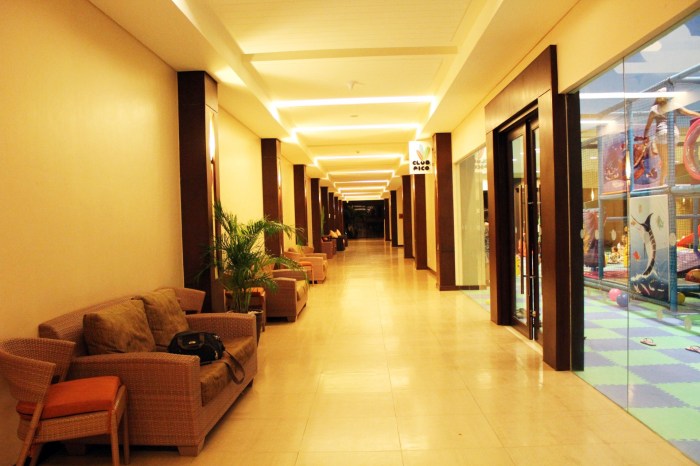

Hotel Family Hotel, it’s more than just a place to stay; it’s a carefully crafted experience designed to bring families closer together. Imagine a world where kids’ laughter echoes through dedicated play areas, where parents can relax knowing their children are safe and entertained, and where memories are made that last a lifetime. This isn’t just a dream; it’s the reality offered by a well-designed family hotel.
We’ll delve into the essential ingredients that make these hotels so special, from the crucial amenities and exciting activities to the all-important safety measures and strategic locations. We’ll explore how these hotels cater to every member of the family, ensuring a vacation that’s both fun-filled and stress-free. Get ready to discover the secrets to creating the perfect family getaway!
Defining “Hotel Family Hotel”
The term “hotel family hotel” signifies a hospitality establishment specifically designed to cater to the needs of families, offering amenities, services, and a general atmosphere that prioritizes the comfort, convenience, and enjoyment of both parents and children. These hotels distinguish themselves from standard hotels by understanding the unique requirements of families, ensuring a stress-free and memorable experience for all.
Defining Characteristics
Hotel family hotels possess several key characteristics that set them apart. They go beyond basic accommodation, focusing on creating a welcoming and engaging environment for families.
Imagine arriving at a hotel family hotel, ready for an amazing vacation! But what to do once you’re settled? Thankfully, there are tons of options! Planning your itinerary is easy with guides to family friendly places to visit , ensuring fun for everyone. After a day of adventures, returning to the comfort of your hotel family hotel feels like coming home.
- Spacious Accommodation: Family rooms and suites are a must, often featuring separate sleeping areas for parents and children, providing privacy and comfort. Examples include connecting rooms, multi-bedroom suites, or rooms with dedicated kids’ zones.
- Child-Friendly Amenities: These hotels typically offer a range of amenities specifically for children, such as cribs, high chairs, and baby monitors. These accommodations make travel easier for parents with young children.
- Kid-Focused Activities: Hotel family hotels often include kids’ clubs, playgrounds, swimming pools with shallow areas, and organized activities designed to entertain and engage children of various ages. This allows parents to relax while the kids are entertained.
- Family-Friendly Dining Options: Restaurants within these hotels frequently provide children’s menus, high chairs, and flexible dining hours to accommodate family schedules. Some may offer all-inclusive packages that cover meals and activities.
- Safety and Security: Safety is a priority, with features like secure access to rooms, childproofing measures, and lifeguards at pools. These measures provide parents with peace of mind.
Target Demographic and Their Needs
The primary target demographic for hotel family hotels is families with children of all ages, from infants to teenagers. This demographic’s needs and expectations are central to the hotel’s design and operation.
- Convenience: Families seek convenience in terms of location, ease of access, and the availability of on-site amenities. They appreciate having everything they need within easy reach.
- Comfort: Comfortable and spacious accommodations are essential. Families require rooms that can accommodate everyone comfortably, with separate sleeping areas and sufficient storage space.
- Entertainment: Children need to be entertained, and parents appreciate having activities and entertainment options available to keep their children engaged and happy.
- Value for Money: Families are often budget-conscious, seeking good value for their money. All-inclusive packages or packages that bundle amenities and activities can be particularly attractive.
- Relaxation: Parents are looking for a relaxing vacation, where they can unwind and enjoy quality time with their children without the stress of constant planning and coordination.
Essential Amenities and Services, Hotel family hotel
A “hotel family hotel” is defined by its commitment to providing amenities and services tailored to families. These offerings directly address the needs and expectations of their target demographic.
- Accommodation:
- Family Suites: Offering multiple bedrooms, living areas, and sometimes kitchenettes.
- Connecting Rooms: Providing easy access between two rooms for families who prefer separate sleeping arrangements.
- Cribs and Rollaway Beds: Available upon request for families with infants or extra children.
- Dining:
- Children’s Menus: Offering kid-friendly options with healthy choices and familiar favorites.
- High Chairs and Booster Seats: Providing convenient seating options for young children.
- Flexible Dining Hours: Accommodating family schedules with extended dining hours or room service.
- Activities and Entertainment:
- Kids’ Clubs: Supervised programs with age-appropriate activities, crafts, and games.
- Swimming Pools with Shallow Areas: Providing safe and enjoyable swimming for children of all ages.
- Playgrounds and Game Rooms: Offering opportunities for outdoor and indoor play.
- Family-Friendly Shows and Entertainment: Providing live performances, movies, or other entertainment options suitable for families.
- Services:
- Babysitting Services: Offering professional childcare for parents who want some alone time.
- Laundry Facilities: Providing convenient laundry services for families who are traveling with children.
- Concierge Services: Assisting families with booking tours, transportation, and other activities.
- On-site Shops: Providing access to essential items such as snacks, diapers, and sunscreen.
Essential Amenities and Features
Source: publicdomainpictures.net
Creating a truly exceptional “hotel family hotel” goes beyond simply offering a room; it involves curating an environment that caters to the unique needs and desires of families. This requires careful consideration of amenities, features, and services designed to enhance the overall experience and make the stay as enjoyable and stress-free as possible for both parents and children.
Essential Amenities
Providing the right amenities is crucial for a family-friendly hotel. These features address common family needs and contribute to a comfortable and engaging stay.
- Kids’ Clubs: A well-staffed and engaging kids’ club is a cornerstone of a successful family hotel. These clubs should offer age-appropriate activities, such as arts and crafts, games, and supervised play, allowing parents to relax and enjoy some downtime. The club should also prioritize safety, with trained staff and a secure environment. Consider offering themed activities based on the season or local culture to enhance the experience.
Choosing the right hotel for a family is crucial, and family hotels often boast fantastic amenities. Thinking about your next getaway? You might be looking for the ultimate relaxation, and if so, planning the perfect trip is key. Check out some of the best family friendly beach vacations for inspiration. Ultimately, whether you choose a bustling resort or a quiet coastal inn, the right family hotel sets the stage for unforgettable memories.
For example, a hotel near the coast might offer a pirate-themed week with treasure hunts and craft projects.
- Family Suites: Family suites are essential. These suites provide ample space for families to spread out, offering separate sleeping areas for parents and children, as well as living areas for relaxation and play. The inclusion of amenities like a kitchenette, a refrigerator, and a microwave can significantly enhance convenience, allowing families to prepare snacks and light meals. Consider offering suites with balconies or patios for added outdoor space.
- Swimming Pools and Water Features: Swimming pools are a must-have, with separate areas for children and adults. The children’s area should be shallow and safe, potentially including water slides, splash pads, and interactive features. The adult pool should provide a relaxing environment for parents to unwind. Life guards and safety protocols are essential. In addition to pools, consider incorporating other water features, such as splash pads, lazy rivers, or even access to a nearby beach or lake, to offer a variety of aquatic experiences.
- Playgrounds and Outdoor Spaces: Designated outdoor play areas are important for children to burn off energy and enjoy fresh air. These areas should be equipped with age-appropriate playground equipment, such as slides, swings, and climbing structures. Consider including a shaded area to protect children from the sun and providing seating for parents. If space permits, incorporate other outdoor activities, such as mini-golf, sports courts, or bike rentals.
Family hotels are a haven for creating lasting memories, offering kid-friendly amenities and spaces for everyone to unwind. But where should you go? Planning your next holiday adventure? Discover the best places to travel over the holidays to make your trip unforgettable. No matter where you choose, ensure you book a fantastic family hotel that caters to all your needs, ensuring a stress-free and joyous vacation for everyone.
- Babysitting Services: Offering reliable babysitting services provides parents with the opportunity to enjoy a romantic dinner, explore the local area, or simply relax knowing their children are in safe hands. Partnering with a reputable childcare provider or training hotel staff to offer babysitting services is a great way to cater to families. Thorough background checks and safety protocols are paramount.
Child-Friendly Dining Options
Dining experiences play a vital role in the overall family vacation. Flexible, accommodating, and delicious food options are key to happy families.
- Kids’ Menus: Providing appealing and nutritious kids’ menus is crucial. These menus should offer a variety of choices, including healthy options like fruits, vegetables, and lean proteins, as well as kid-friendly favorites. Consider including options for different dietary needs, such as vegetarian or gluten-free meals. Illustrating the menu with colorful pictures can make it more engaging for children.
- High Chairs and Booster Seats: Having a sufficient supply of high chairs and booster seats available in all dining areas is essential. Ensuring these are clean and in good working order is also important.
- Flexible Meal Times: Accommodating flexible meal times allows families to dine at their convenience. Offering early dining options or a flexible buffet service can be particularly helpful for families with young children. Providing grab-and-go options, such as pre-packaged snacks and meals, can be beneficial for families on the go.
- Family-Friendly Atmosphere: Creating a welcoming and relaxed atmosphere in the dining areas is important. This could include providing coloring books, crayons, or small toys to keep children entertained while waiting for their meals. Consider designating a specific area for families with young children to minimize noise and disruption for other guests.
- Allergy Considerations: Catering to food allergies is crucial. The hotel should be able to provide information about ingredients and allergens in their dishes. Training staff to handle food allergies safely and accurately is also essential.
Family-Friendly Room Types
Offering a variety of room types ensures that families can find the perfect accommodation to suit their needs and budget. This table illustrates some examples:
| Room Type | Size (sq ft) | Capacity | Special Features |
|---|---|---|---|
| Standard Family Room | 400-500 | 4 | Two Queen beds, Crib available on request, Mini-fridge |
| Family Suite | 600-800 | 5 | Separate bedroom with a king-size bed, Living area with a sofa bed, Kitchenette, Balcony |
| Connecting Rooms | Varies | 6+ | Two adjoining rooms, Connecting door, Multiple bathrooms, Privacy |
| Deluxe Family Suite | 800-1000 | 6 | Two bedrooms (one with king, one with two twins), Living area, Kitchenette, Dining area, Washer/Dryer |
Activities and Entertainment for Families: Hotel Family Hotel
Family hotel experiences are about creating lasting memories, and a significant part of that comes from the activities and entertainment offered. These hotels understand that a successful family vacation hinges on keeping everyone engaged and happy, from the youngest child to the grandparents. By offering a diverse range of options, these hotels aim to provide something for everyone, fostering a sense of togetherness and enjoyment.
Organized Activities and Programs
Hotel family hotels often excel in providing structured activities and programs designed to cater to various age groups and interests. These organized offerings are a cornerstone of a stress-free family vacation, providing entertainment and opportunities for both parents and children.
- Kids’ Clubs: These are often the centerpiece of a family hotel’s entertainment offerings. Kids’ clubs provide age-specific programs, from toddlers to teenagers. Activities typically include arts and crafts, games, storytelling, and supervised outdoor play. Some clubs even offer themed days or weeks, like pirate adventures or science camps.
- Themed Events: Family hotels regularly host themed events throughout the year. These can range from holiday celebrations like Christmas or Halloween parties, to themed weeks focusing on pirates, superheroes, or specific cultures. These events often involve decorations, special menus, and entertainment designed to immerse families in a fun and engaging atmosphere.
- Family-Friendly Excursions: Hotels frequently organize excursions that cater to families. These might include guided tours of local attractions, visits to theme parks, or nature walks. They often provide transportation, ensuring a hassle-free experience. Some hotels partner with local companies to offer specialized excursions, such as dolphin watching tours or cooking classes.
- Evening Entertainment: Many hotels offer evening entertainment options suitable for the whole family. This can include live music, family-friendly movies, or theatrical performances. These options are designed to provide a relaxing and enjoyable way to end the day.
These diverse activities are carefully planned to appeal to different age groups within a family, ensuring that everyone feels included and entertained. For instance, while younger children might be engaged in the kids’ club, teenagers could participate in organized sports or hang out in a dedicated teen zone. Parents can relax knowing their children are safe and having fun, or join in the activities themselves.
This balance of activities allows families to spend quality time together while also allowing individuals to pursue their own interests.
Indoor vs. Outdoor Activities
The choice between indoor and outdoor activities often depends on the weather, the hotel’s location, and the family’s preferences. Each type of activity offers unique benefits and drawbacks.
Choosing a family hotel can be tricky, but it’s essential for a great vacation! Thinking about where to go? Well, for the ultimate family fun, you should check out the best place to trip with family ; it’s full of amazing ideas! Once you’ve decided on your destination, selecting the perfect family hotel with kid-friendly amenities becomes the next exciting step of your trip planning.
| Activity Type | Benefits | Drawbacks |
|---|---|---|
| Indoor Activities |
|
|
| Outdoor Activities |
|
|
The best family hotels offer a balance of both indoor and outdoor activities. For example, a hotel might have a kids’ club with both indoor and outdoor play areas, allowing children to choose the environment that best suits their interests. Alternatively, a hotel in a sunny location might have an outdoor pool and playground, while also offering indoor games rooms and a library.
Safety and Security Considerations
Creating a safe and secure environment is paramount for “hotel family hotels,” ensuring parents can relax and children can enjoy their stay. Prioritizing safety builds trust and fosters a positive guest experience, making the hotel a preferred choice for families. This section details crucial safety measures, staff training, and specific features designed to protect young guests.
Planning a family getaway? You’ll want a hotel that caters to everyone. But where to go? The lure of sun and sand is strong, and that’s where exploring the best family beach resorts us comes in. These resorts offer a perfect blend of fun and relaxation.
Ultimately, the best hotel family hotel experience is about creating lasting memories with your loved ones.
Childproofing Measures
Implementing comprehensive childproofing measures throughout the hotel significantly reduces the risk of accidents and injuries. This involves proactive steps to eliminate potential hazards.
- Room Safety: Covering electrical outlets with safety covers, securing loose cords, and anchoring furniture to prevent tipping are crucial. Providing cribs and playpens that meet current safety standards, regularly inspected for wear and tear, is also essential. Bathrooms should have non-slip mats, and hot water temperature should be regulated to prevent scalding.
- Public Area Safety: Installing safety gates at staircases, ensuring sharp corners on furniture are protected with bumpers, and providing clear signage about potential hazards like wet floors are vital. Elevators should be equipped with emergency stop buttons and be regularly inspected for proper functioning.
- Balcony and Window Safety: Balconies and windows should have secure locks or safety mechanisms to prevent children from opening them unsupervised. Balcony railings should meet height and spacing requirements to prevent falls.
Pool Safety Protocols
Pool areas require rigorous safety protocols to prevent drowning and other water-related accidents. These protocols are essential for maintaining a safe environment.
- Supervision: Trained lifeguards should be on duty during pool operating hours. Adequate lifeguard staffing should be determined based on pool size and expected occupancy. Clear signage indicating pool rules, depth, and safety guidelines is crucial.
- Fencing and Barriers: The pool area should be completely enclosed by a fence with a self-latching gate that is inaccessible to children. The fence height should meet local regulations to prevent unauthorized access.
- Emergency Equipment: Readily accessible rescue equipment, such as life rings, shepherd’s hooks, and first aid kits, must be available. A clearly posted emergency plan, including contact information for emergency services, should be visible.
- Water Safety Education: Offering swimming lessons or water safety workshops for children can enhance their safety awareness. Providing information about local water safety regulations is also beneficial.
Emergency Procedures and Trained Staff
Having well-defined emergency procedures and a staff trained to handle various situations is critical for a “hotel family hotel.” Preparedness is key.
- Emergency Response Plan: A comprehensive emergency response plan should be in place, covering scenarios such as medical emergencies, fire, and natural disasters. This plan should be regularly reviewed and updated.
- Staff Training: All staff members, especially those interacting with children, should receive training in first aid, CPR, and child safety protocols. This training should be regularly refreshed to maintain competency.
- Communication Protocols: Clear communication protocols, including designated emergency contact persons and procedures for notifying guests and emergency services, are essential. Regular drills and simulations should be conducted to ensure staff preparedness.
- Guest Education: Providing guests with information about emergency procedures, safety guidelines, and contact information is important. This information can be included in welcome packets or displayed in guest rooms and public areas.
Location and Accessibility
Source: publicdomainpictures.net
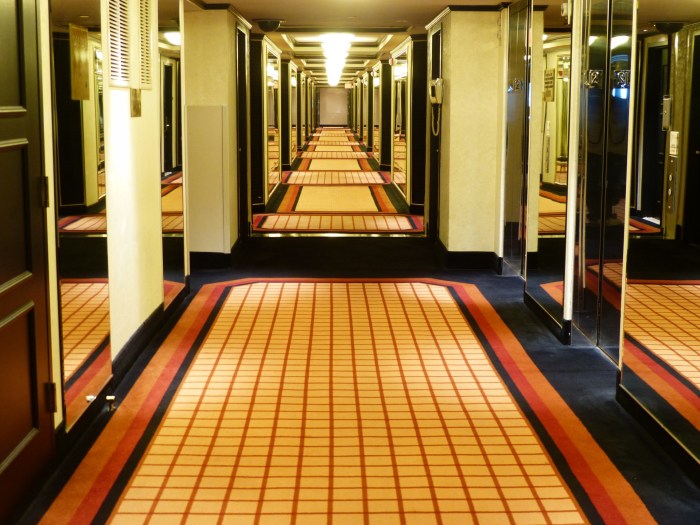
Choosing the right location is paramount for a family hotel, significantly impacting its appeal and the overall guest experience. The strategic placement of a hotel can determine its success in attracting families, shaping their enjoyment and convenience throughout their stay. Factors like proximity to key attractions, easy access to public transport, and overall accessibility for all family members are crucial considerations.
Importance of Location in Attracting Families
A well-chosen location is a cornerstone of a successful family hotel. Families often prioritize convenience and ease when planning a vacation, making the hotel’s location a primary decision-making factor.The hotel’s proximity to attractions is a significant draw. Families often seek hotels near popular destinations, such as theme parks, zoos, museums, and historical sites. These attractions offer opportunities for shared experiences and create lasting memories.
Furthermore, access to parks and green spaces is highly valued. These areas provide children with space to play and parents with opportunities for relaxation and outdoor activities.Easy access to public transport is another essential element. Families appreciate the convenience of being able to travel without relying solely on private vehicles, reducing travel costs and stress. Well-connected hotels offer greater flexibility for exploring the surrounding area and experiencing local culture.
Benefits of Hotel Accessibility for Families
Ensuring accessibility is a critical aspect of creating a welcoming environment for all families. It extends beyond simply catering to guests with disabilities and encompasses a range of considerations that enhance the overall experience.The benefits of accessibility for families include:
- Ease of access for strollers and wheelchairs: Ramps, elevators, and wide corridors are essential for accommodating strollers and wheelchairs, allowing families with young children or mobility issues to navigate the hotel with ease.
- Accessible rooms and facilities: Providing rooms with accessible features, such as roll-in showers and grab bars, ensures that all guests can comfortably use the facilities. Accessible swimming pools and play areas also enhance inclusivity.
- Reduced stress and increased convenience: Accessible hotels minimize the challenges that families may face, making their stay more enjoyable and stress-free. This includes features like automatic doors, accessible parking, and well-lit pathways.
- Enhanced safety: Accessible features often contribute to improved safety for all guests. For example, non-slip flooring and clear signage can help prevent accidents.
- Positive guest perception: Hotels that prioritize accessibility demonstrate a commitment to inclusivity and create a welcoming environment for all families, which often leads to positive reviews and increased loyalty.
Advantages and Disadvantages of Different Location Types
The location of a family hotel significantly shapes its appeal and operational aspects. Different locations offer unique advantages and disadvantages, influencing the type of guests attracted and the overall experience provided.Here’s a comparison of different location types:
| Location Type | Advantages | Disadvantages |
|---|---|---|
| City Center |
|
|
| Beach Resort |
|
|
| Countryside |
|
|
| Theme Park Area |
|
|
Marketing and Promotion Strategies
Reaching the right audience is crucial for the success of a hotel family hotel. Effective marketing and promotion strategies ensure that the hotel’s offerings resonate with families looking for memorable vacations. These strategies focus on building brand awareness, attracting potential guests, and converting them into loyal customers.
Targeting the Right Audience
Understanding the target audience – families – is the foundation of effective marketing. Identifying their needs, preferences, and online behaviors allows for the creation of tailored campaigns. This involves segmenting the market based on factors such as age of children, budget, travel style, and preferred activities. Once the segments are defined, marketing efforts can be focused on channels and content that appeal to each group.
The Power of Visuals: High-Quality Photographs and Videos
Visual content is essential in today’s digital landscape. High-quality photographs and videos are powerful tools for showcasing the family-friendly features of a hotel family hotel. They provide a virtual experience, allowing potential guests to envision themselves and their families enjoying the amenities and activities.
- Professional Photography: High-resolution images of the hotel’s rooms, suites, swimming pools, play areas, restaurants, and surrounding areas are crucial. These images should depict families enjoying themselves, emphasizing the positive aspects of the experience. The photographs should be bright, inviting, and professionally styled to capture the essence of a family vacation. For example, a photograph could showcase a family splashing in the pool, children playing in a well-equipped playground, or a family enjoying a meal at the hotel’s restaurant.
- Engaging Videos: Videos can provide a more immersive experience than still images. They can showcase the hotel’s ambiance, activities, and services in a dynamic way. Videos can include virtual tours of rooms, testimonials from satisfied guests, and highlights of family-friendly activities such as kids’ clubs, water parks, and evening entertainment. Consider creating short, attention-grabbing videos for social media platforms and longer, more detailed videos for the hotel’s website.
- Virtual Tours: Incorporating virtual tours allows potential guests to explore the hotel’s facilities from the comfort of their homes. This is particularly useful for showcasing the different room types, suites, and public areas. The virtual tour should be interactive and user-friendly, allowing viewers to navigate easily and get a sense of the hotel’s layout.
Crafting Compelling Promotional Content
Creating content that resonates with families is key to attracting bookings. This involves developing messaging that highlights the unique selling points of the hotel family hotel and the benefits of staying there. The content should be authentic, engaging, and informative.
“Family Fun Packages” are a great example of promotional content. These packages should include specific elements that cater to families, such as discounted rates on connecting rooms, complimentary meals for children, access to kids’ clubs, and special activities.
Here are some examples of promotional content:
- Website Content: The hotel’s website should be user-friendly, mobile-responsive, and visually appealing. It should include detailed information about the hotel’s facilities, services, and activities, as well as high-quality photographs and videos. Consider creating dedicated pages for families, showcasing family-friendly amenities and activities.
- Social Media Marketing: Social media platforms are excellent tools for reaching families. Use platforms like Facebook, Instagram, and Pinterest to share engaging content, such as photos and videos of families enjoying the hotel, behind-the-scenes glimpses, and special offers. Run targeted advertising campaigns to reach families based on their interests, demographics, and travel preferences.
- Email Marketing: Build an email list and send out regular newsletters featuring special offers, promotions, and updates about the hotel. Segment your email list based on guest preferences to send personalized content. Include compelling visuals and a clear call to action in each email.
- Content Marketing: Create valuable content, such as blog posts, articles, and guides, that cater to families’ travel needs. For example, a blog post could provide tips on traveling with young children, or a guide could list the best family-friendly attractions in the area. This positions the hotel as a helpful resource and attracts potential guests.
- Special Offers and Packages: Design attractive packages and promotions that appeal to families. Examples include:
- “Summer Family Fun Package”: This package includes discounted rates on suites, complimentary breakfast for children, access to the kids’ club, and a family-friendly activity.
- “Adventure Getaway”: This package includes accommodation, access to the hotel’s water park, and a family-friendly excursion to a nearby attraction.
- “All-Inclusive Family Escape”: This package includes accommodation, all meals and snacks, drinks, access to the kids’ club, and select activities.
Staff Training and Customer Service
Providing exceptional customer service is paramount for a successful family hotel. The interactions between staff and guests, particularly children and their parents, shape the overall experience and influence whether families choose to return or recommend the hotel to others. Comprehensive staff training is the cornerstone of creating a positive and memorable stay for every family.
The Significance of Staff Training
Investing in staff training is not just an operational necessity; it’s a strategic investment in the hotel’s reputation and long-term profitability. Well-trained staff members are better equipped to handle the unique needs and expectations of families, fostering loyalty and positive word-of-mouth referrals. Effective training programs equip employees with the skills and knowledge to anticipate and address family needs proactively, transforming potential challenges into opportunities for exceptional service.
This proactive approach not only improves the guest experience but also streamlines operations, leading to increased efficiency and guest satisfaction.
Essential Skills and Knowledge for Staff
Staff members interacting with families require a specific skill set and understanding. This encompasses both technical proficiency and interpersonal skills.
- Child Psychology and Development: Staff should possess a basic understanding of child development stages and common behavioral patterns. This knowledge helps them tailor their interactions to children’s age and emotional needs. For example, a staff member might adjust their communication style when interacting with a toddler versus a teenager.
- Effective Communication: Clear, concise, and empathetic communication is crucial. Staff should be able to communicate effectively with both children and parents, using age-appropriate language and tone. This includes active listening, asking clarifying questions, and being patient.
- Conflict Resolution: Families may encounter challenges during their stay. Staff must be trained in conflict resolution techniques to address issues calmly and professionally, ensuring a positive outcome. This includes active listening, finding common ground, and offering solutions that satisfy both parties.
- Problem-Solving: Staff must be able to quickly identify and resolve issues that arise, from a lost toy to a forgotten reservation detail. This includes being resourceful, taking initiative, and escalating issues when necessary.
- Cultural Sensitivity: Hotels attract guests from diverse backgrounds. Staff should be trained to be culturally sensitive and respectful of different family structures, customs, and dietary needs. This might involve understanding dietary restrictions or religious practices.
- Safety Protocols: Thorough knowledge of safety protocols is essential, including first aid, emergency procedures, and child safety measures. Staff should be trained to recognize and respond to potential hazards.
- Product Knowledge: Staff must be well-versed in the hotel’s amenities, services, and local attractions to provide informed recommendations and assist families in planning their activities.
Creating a Welcoming and Accommodating Environment
Staff actions can significantly impact how families perceive the hotel. Small gestures can create a welcoming atmosphere and foster a sense of belonging.
“A smile is the universal language of kindness.”
- Personalized Greetings: Welcoming families by name, especially children, can create an immediate sense of warmth and belonging.
- Offering Assistance: Proactively offering assistance with luggage, navigating the hotel, or arranging transportation demonstrates a commitment to family convenience.
- Providing Amenities: Offering complimentary amenities such as baby cots, high chairs, or age-appropriate welcome gifts for children can enhance the family experience.
- Creating Child-Friendly Spaces: Staff can maintain the cleanliness and safety of play areas, ensuring they are well-stocked and inviting.
- Being Flexible: Showing flexibility with requests, such as early check-in or late check-out (when possible), can make a significant difference in family satisfaction.
- Anticipating Needs: Training staff to anticipate family needs, such as providing extra towels or offering recommendations for nearby family-friendly restaurants, shows a proactive approach to customer service.
- Addressing Complaints Promptly: Handling complaints efficiently and empathetically, offering sincere apologies, and taking immediate action to resolve issues can turn a negative experience into a positive one.
Sustainability and Eco-Friendliness
In today’s world, families are increasingly aware of their environmental impact and actively seek ways to minimize it. “Hotel family hotels” that prioritize sustainability can significantly enhance their appeal, attracting environmentally conscious travelers and fostering a positive brand image. Embracing eco-friendly practices not only benefits the planet but also often leads to cost savings and improved guest experiences.
Incorporating Sustainable Practices
Implementing sustainable practices demonstrates a commitment to environmental responsibility and resonates with families who value eco-conscious choices. This approach can encompass various aspects of hotel operations, from energy consumption and waste management to sourcing local products and engaging with the community.
Thinking about a hotel family hotel often brings to mind fun activities and making memories. However, for a truly unforgettable experience, consider swapping the standard hotel for something a little more special. The best vacations involve destinations, where, like at beaches resorts family friendly , every family member finds joy. This will ensure your hotel family hotel dreams come true with extra magic.
- Waste Reduction Programs: Implementing comprehensive waste reduction strategies is crucial. This includes minimizing single-use plastics, offering reusable water bottles and coffee cups, and providing recycling bins in guest rooms and public areas. Composting food waste from the hotel’s restaurant and kitchen is also an effective measure.
- Energy-Efficient Practices: Reducing energy consumption is a key element of sustainability. Installing energy-efficient lighting (LEDs), utilizing smart thermostats, and encouraging guests to conserve energy through informational displays are effective measures. Consider investing in renewable energy sources like solar panels to power parts of the hotel.
- Water Conservation Measures: Water conservation is paramount. Installing low-flow showerheads and toilets, providing guests with the option to reuse towels and linens, and landscaping with drought-tolerant plants can significantly reduce water usage.
- Sourcing Local Food: Partnering with local farmers and suppliers to source food for the hotel’s restaurant supports the local economy and reduces the carbon footprint associated with transporting food long distances. This also allows the hotel to offer fresh, seasonal menus and unique culinary experiences.
- Eco-Friendly Cleaning Products: Using non-toxic, biodegradable cleaning products minimizes the environmental impact of cleaning operations and ensures a healthier environment for guests and staff.
- Supporting Local Conservation Efforts: Partnering with local environmental organizations or participating in conservation projects demonstrates a commitment to the community and provides opportunities for guests to engage in meaningful activities.
- Educating Guests: Providing information about the hotel’s sustainability initiatives and encouraging guests to participate through signage, brochures, and interactive displays fosters a sense of responsibility and encourages eco-conscious behavior.
Illustration Description
Imagine a vibrant illustration depicting a sunny scene at a “hotel family hotel.” The hotel itself is modern and stylish, with solar panels prominently displayed on the roof, indicating its commitment to renewable energy. Children are happily playing in a playground made from recycled materials, while parents relax on comfortable outdoor furniture crafted from reclaimed wood.In the hotel’s restaurant, a family is enjoying a meal featuring fresh, locally sourced ingredients.
The plates and cutlery are reusable, and there are clear signs encouraging guests to recycle and compost. A small garden is visible nearby, where the hotel grows some of its own herbs and vegetables.Outside, a family is participating in a guided nature walk, led by a hotel staff member, showcasing the local flora and fauna. Bicycles are available for guests to explore the surrounding area, promoting alternative transportation.
The overall atmosphere is one of joy, sustainability, and a deep connection to nature, highlighting the hotel’s commitment to environmental responsibility and creating a memorable experience for families. The illustration conveys the message that staying at this “hotel family hotel” is not just a vacation, but also an opportunity to contribute to a healthier planet.
Final Wrap-Up
Source: karpaten.ro
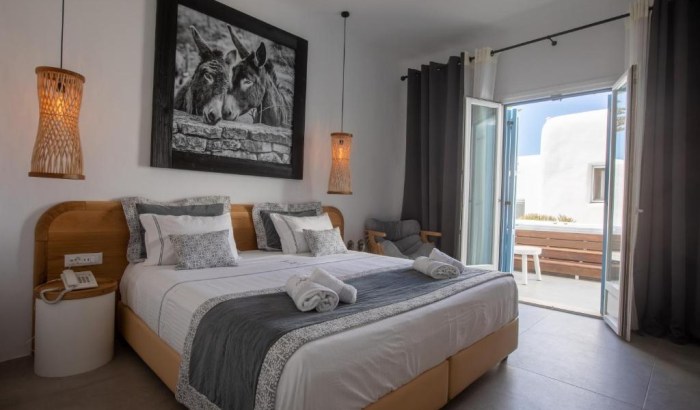
In conclusion, Hotel Family Hotels are the ultimate destination for families seeking a memorable and enjoyable vacation. By understanding the core elements – from kid-friendly amenities and engaging activities to robust safety measures and convenient locations – these hotels create a haven where families can bond, explore, and create lasting memories. So, pack your bags, gather your loved ones, and get ready to experience the magic of a truly family-friendly hotel!
User Queries
What is the best age range for a Hotel Family Hotel?
Hotel Family Hotels are designed to accommodate a wide range of ages, from toddlers to teenagers. Many offer specific programs and amenities tailored to different age groups, ensuring everyone has a fantastic time.
Are Hotel Family Hotels generally more expensive than regular hotels?
While prices can vary, Hotel Family Hotels often offer more inclusive packages and amenities, which can provide better value for families. Consider the cost of individual activities and services when comparing prices.
What safety measures are typically in place at a Hotel Family Hotel?
These hotels prioritize safety with features like childproofing, pool safety protocols, trained staff, and emergency procedures. They often have dedicated kids’ clubs with trained supervisors and 24/7 security.
How do I choose the right Hotel Family Hotel for my family?
Consider your family’s interests, ages of your children, and desired location. Research amenities like kids’ clubs, pools, and dining options, and read reviews to get insights from other families.