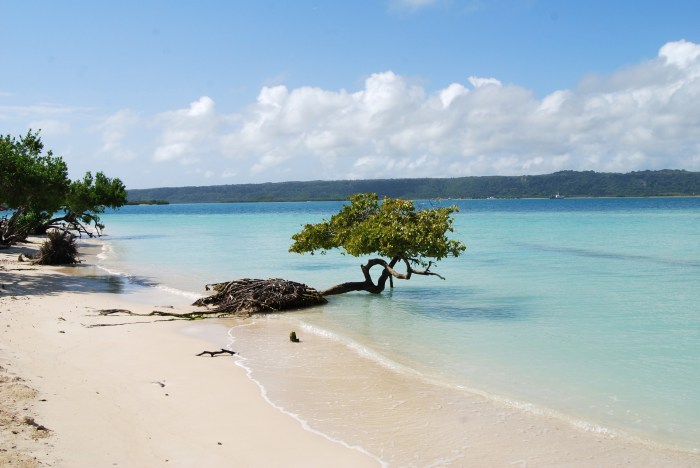

Ahoy there, fellow adventurers! Get ready to dive headfirst into the sun-kissed world of beach family trips! Picture this: the gentle lapping of waves, the warmth of the sun on your skin, and the joyous shrieks of your little ones building magnificent sandcastles. Beach family trips are more than just vacations; they’re a chance to create memories that will be treasured for a lifetime.
This guide is your treasure map, leading you to the hidden gems of planning, packing, and playing your way to the ultimate beach getaway.
From choosing the perfect sandy haven to mastering the art of building the perfect sandcastle, we’ll navigate the waves of family travel with you. We’ll explore the best family-friendly destinations, uncover the secrets of sun safety, and even help you pack like a pro. Get ready to discover how to budget like a savvy captain, capture those precious moments with your camera, and savor delicious meals under the open sky.
Let’s embark on a journey to make your beach family trip an unforgettable experience!
Planning Your Beach Family Trip
Planning a beach family trip can seem daunting, but with careful organization, it can become a source of joyful memories. This section will provide the tools and information necessary to transform your vacation dreams into a reality, from crafting the perfect itinerary to packing efficiently and choosing the ideal time to visit. We’ll cover everything you need to know to ensure a smooth and enjoyable beach getaway for the whole family.
7-Day Beach Family Vacation Itinerary Template
Creating a detailed itinerary is crucial for maximizing your time and minimizing stress. This template provides a framework for a 7-day beach vacation, adaptable to your chosen destination and family’s preferences. It includes suggested activities, meal ideas, and estimated costs, allowing you to budget effectively and plan accordingly.
Ah, beach family trips – sun-kissed skin, salty hair, and endless fun! But what if you’re dreaming of something different? Don’t worry, there are tons of amazing options. Exploring the world opens up a world of possibilities, so check out places to travel to with family for inspiration. Ultimately, whether it’s building sandcastles or exploring new cultures, family adventures at the beach will always be treasured.
| Day | Activity | Meals | Estimated Cost (USD) |
|---|---|---|---|
| Day 1: Arrival & Beach Relaxation | Arrive at destination, check into accommodation. Unpack and head to the beach for a few hours of relaxation, building sandcastles, and swimming. Dinner at a local seafood restaurant. | Lunch: Pack a picnic with sandwiches, fruits, and snacks. Dinner: Seafood restaurant. | Accommodation: $200 (per night), Lunch: $30, Dinner: $100 |
| Day 2: Beach Exploration & Water Sports | Morning: Beachcombing and exploring tide pools. Afternoon: Rent kayaks or paddleboards (if available) or try a family-friendly water sport like banana boat rides. | Breakfast: Prepare breakfast at your accommodation. Lunch: Beachside cafe. Dinner: Cook at accommodation or dine at a casual restaurant. | Kayaks/Paddleboards: $50, Lunch: $60, Dinner: $80 |
| Day 3: Day Trip or Local Sightseeing | Take a day trip to a nearby attraction, such as a local aquarium, zoo, or historical site. Alternatively, explore the local town, visit shops, and experience the local culture. | Breakfast: Prepare breakfast at your accommodation. Lunch: Pack a picnic. Dinner: Restaurant in the area. | Entrance Fees: $100, Lunch: $40, Dinner: $90, Transportation (Rental car/Taxi): $70 |
| Day 4: Beach Day & Sunset Watching | Spend the entire day at the beach. Build sandcastles, play beach games, swim, and soak up the sun. Enjoy the sunset from the beach or a beachfront bar. | Breakfast: Prepare breakfast at your accommodation. Lunch: Pack a picnic. Dinner: Cookout/BBQ on the beach (if permitted). | Lunch: $30, Dinner: $50 |
| Day 5: Water Park or Pool Day | Visit a water park or spend the day at the hotel pool. Enjoy water slides, splash pads, and other water activities. | Breakfast: Prepare breakfast at your accommodation. Lunch: Snacks and drinks at the water park/pool. Dinner: Casual restaurant. | Water Park Entrance: $150, Lunch: $50, Dinner: $80 |
| Day 6: Relaxing Beach & Souvenir Shopping | Enjoy a relaxing morning at the beach. In the afternoon, go souvenir shopping in the local shops. | Breakfast: Prepare breakfast at your accommodation. Lunch: Casual cafe. Dinner: Special dinner at a nicer restaurant. | Lunch: $40, Dinner: $120, Souvenirs: $100 |
| Day 7: Departure | Enjoy a final breakfast. Pack up and check out of the accommodation. Depart for home. | Breakfast: Prepare breakfast at your accommodation. Lunch: Quick lunch at the airport or on the way home. | Lunch: $40, Transportation (to airport/home): $70 |
Note: These are estimated costs and will vary based on location, accommodation type, and dining choices. It’s always a good idea to research prices in your chosen destination and adjust your budget accordingly. For example, a family of four might spend roughly $1,500 – $3,000 on a 7-day trip, excluding flights and accommodation.
Packing List for Families with Young Children
Creating a comprehensive packing list is essential for a stress-free vacation. This list covers essentials, beach gear, and entertainment, catering specifically to families with young children. Prioritize items based on your child’s age and needs.
- Essentials:
- Clothing: Lightweight, breathable clothing for warm weather, including t-shirts, shorts, sundresses, and swimwear. Pack extra changes of clothes for unexpected spills or accidents.
- Underwear and socks: Ensure you have enough for each day, plus a few extra pairs.
- Sleepwear: Comfortable pajamas.
- Toiletries: Sunscreen (high SPF), insect repellent, shampoo, conditioner, body wash, toothbrush, toothpaste, and any necessary medications.
- First-aid kit: Band-aids, antiseptic wipes, pain relievers (for children), any prescribed medications.
- Identification: Passports, driver’s licenses, and any necessary medical cards.
- Beach Gear:
- Swimsuits: Multiple swimsuits for each family member.
- Beach towels: Large, absorbent beach towels.
- Beach umbrella or sun shelter: To provide shade from the sun.
- Beach chairs: Portable beach chairs for comfortable seating.
- Beach toys: Buckets, shovels, sand molds, and inflatable toys.
- Water shoes: To protect feet from hot sand and sharp objects.
- Goggles and swim masks: For enjoying underwater exploration.
- For Young Children:
- Diapers and wipes: If your child is not potty trained.
- Formula and bottles: If your child is formula-fed.
- Baby food and snacks: Pack familiar snacks and baby food options.
- Stroller or carrier: For navigating the beach and other attractions.
- High chair (portable): If needed for dining.
- Life jackets or swim aids: For water safety.
- Entertainment:
- Books: Age-appropriate books for quiet time.
- Travel games: Small, portable games for entertainment during downtime.
- Electronics: Tablets or portable DVD players (with headphones) for long journeys.
- Art supplies: Crayons, coloring books, and paper for creative activities.
- Other:
- Reusable water bottles: To stay hydrated.
- Sun hats: Wide-brimmed hats for sun protection.
- Sunglasses: For eye protection.
- Beach bag: A large bag to carry all your beach essentials.
- Dry bag: To protect valuables from water damage.
- Camera: To capture vacation memories.
- Ziploc bags: For wet clothes, snacks, and other small items.
Tip: Create a checklist and check off items as you pack to avoid forgetting anything. Consider rolling clothes to save space in your luggage.
Best Times of Year to Visit Beach Destinations
Choosing the right time to visit a beach destination is critical for enjoying favorable weather and avoiding peak season crowds and higher prices. This section Artikels the best times of year to visit popular beach locations, considering weather patterns, hurricane seasons, and peak travel periods.
- Caribbean:
- Best time to visit: December to April.
- Weather: Dry season with warm temperatures and low humidity.
- Considerations: Peak season, so expect higher prices and more crowds. Hurricane season runs from June to November, with the highest risk from August to October. For example, a family visiting the Bahamas during the high season (December-April) might pay up to 30% more for accommodation and flights compared to the shoulder season.
- Florida (USA):
- Best time to visit: March to May (spring) or September to November (fall).
- Weather: Pleasant temperatures, less humidity than summer, and fewer crowds.
- Considerations: Hurricane season runs from June to November. Summer (June-August) is hot and humid, with potential for afternoon thunderstorms. Spring break (March/April) can be crowded and expensive.
- Hawaii (USA):
- Best time to visit: April to May or September to October.
- Weather: Warm temperatures, less rain, and fewer crowds.
- Considerations: Summer (June-August) is popular but can be crowded and more expensive. Winter (November-March) brings cooler temperatures and more rain, especially on the north shores of the islands.
- Mexico (Cancun & Riviera Maya):
- Best time to visit: December to April.
- Weather: Dry season with warm temperatures and low humidity.
- Considerations: Hurricane season runs from June to November. Spring break (March/April) is a busy time with higher prices. Consider visiting in late April or early May for better deals.
- Europe (Mediterranean Beaches):
- Best time to visit: June to September.
- Weather: Warm, sunny weather, perfect for swimming and sunbathing.
- Considerations: July and August are peak season, with the highest prices and crowds. Consider visiting in June or September for more pleasant weather and fewer tourists. The price difference between July and September could be up to 20% for accommodation.
Remember: Always check the specific weather forecast for your chosen destination closer to your travel dates. Be flexible with your travel dates to find the best deals and avoid the busiest times.
Choosing the Perfect Beach Destination
Source: publicdomainpictures.net
Planning a beach family trip is exciting, but selecting the right destination is crucial for a memorable vacation. The ideal beach spot balances fun, safety, and accessibility, catering to everyone from toddlers to teenagers (and the adults!). This guide will help you navigate the choices, comparing destinations, accommodation styles, and key factors to ensure a smooth and enjoyable trip.
Family-Friendly Beach Destinations
Choosing the right beach involves considering the needs and interests of all family members. Here are three excellent options, each offering a unique blend of attractions and suitability for various age groups:
- Orlando, Florida, USA: While not solely a beach destination, Orlando’s proximity to the Gulf and Atlantic coasts makes it a fantastic base. The primary draw is, of course, the theme parks (Walt Disney World, Universal Orlando), providing days of entertainment. Nearby beaches like Cocoa Beach and Clearwater Beach offer opportunities for relaxation and water activities. Cocoa Beach is known for its surfing lessons, while Clearwater Beach boasts soft, white sand and calm waters perfect for young children.
Orlando’s accessibility, with numerous direct flights and a well-developed infrastructure, makes it a convenient choice. This destination is ideal for families with a wide range of interests, especially those with children of varying ages.
- Cancun, Mexico: Cancun offers stunning beaches, clear turquoise waters, and a vibrant atmosphere. The Hotel Zone provides a plethora of all-inclusive resorts, making it easy to manage costs and activities. Families can enjoy water sports, snorkeling, and exploring Mayan ruins like Chichen Itza (a day trip from Cancun). The beaches themselves are generally well-maintained, and the area has a strong tourism infrastructure, offering many family-friendly restaurants and activities.
Cancun suits families who enjoy a mix of relaxation, adventure, and cultural exploration, with options to cater to different budgets.
- Outer Banks, North Carolina, USA: For a more relaxed and natural experience, the Outer Banks offers miles of pristine beaches, historic lighthouses, and charming towns. This destination is perfect for families who appreciate a slower pace and enjoy outdoor activities like kiteboarding, fishing, and exploring nature trails. The beaches are less crowded than many other popular destinations, and the area provides a range of vacation rentals, from cozy cottages to larger beachfront homes.
The Outer Banks is a great choice for families seeking a more laid-back vacation focused on natural beauty and quality time together.
All-Inclusive Resorts vs. Vacation Home Rentals
Deciding between an all-inclusive resort and a vacation home rental is a crucial step in planning your beach trip. Each option presents unique advantages and disadvantages:
- All-Inclusive Resorts: These resorts offer a pre-packaged experience, with meals, drinks, activities, and sometimes even childcare included in the price.
- Pros: Convenience is a major benefit. You pay one price and have access to everything. This simplifies budgeting and reduces the stress of planning individual meals and activities. Resorts often offer kid-friendly amenities like swimming pools, kids’ clubs, and organized entertainment.
Beach family trips conjure images of sun-kissed skin and playful waves. But, let’s be honest, those idyllic getaways can quickly drain the wallet. Fear not, because planning is key! You can still enjoy those sandy shores without breaking the bank. Check out some amazing ideas for budget friendly family trips to make those beach dreams a reality. The kids will still have a blast, and you’ll have peace of mind knowing you stayed on budget for your beach family trip.
- Cons: You’re often limited to the resort’s offerings, and exploring local culture and cuisine can be challenging. The food quality can sometimes be inconsistent, and you might feel pressured to participate in activities you’re not interested in. Costs can be high, especially during peak season.
- Pros: Convenience is a major benefit. You pay one price and have access to everything. This simplifies budgeting and reduces the stress of planning individual meals and activities. Resorts often offer kid-friendly amenities like swimming pools, kids’ clubs, and organized entertainment.
- Vacation Home Rentals: Renting a vacation home provides more flexibility and privacy. You’ll typically have a fully equipped kitchen, allowing you to prepare meals and save money on dining out.
- Pros: You have more space and privacy than in a hotel room. You can tailor your activities to your family’s preferences and explore the local area at your own pace. Cooking your own meals can be more economical, especially for larger families.
- Cons: You’re responsible for cooking, cleaning, and managing your own activities. Planning and budgeting require more effort. You may need to purchase groceries and other supplies.
Ultimately, the best choice depends on your family’s needs and preferences. Consider your budget, the ages of your children, your desired level of convenience, and your interest in exploring the local area.
Factors to Consider When Selecting a Beach Destination
Several factors should influence your decision when choosing a beach destination. Prioritizing these elements will help ensure a safe, enjoyable, and memorable family vacation:
- Safety: Research the safety of the destination, including crime rates, natural disaster risks, and healthcare accessibility. Consider whether the beach has lifeguards and if the water conditions are suitable for swimming. Check government travel advisories and local news reports for any potential safety concerns.
- Accessibility: Assess how easy it is to reach the destination, considering flight availability, travel time, and transportation options from the airport to your accommodation. If you have young children or family members with mobility issues, look for destinations with accessible beaches, accommodations, and transportation.
- Amenities: Consider the amenities available at the beach and in the surrounding area. Are there restaurants, shops, and grocery stores nearby? Does the beach offer restrooms, showers, and shade? Are there activities and attractions that appeal to your family’s interests, such as water sports, playgrounds, or cultural sites?
- Budget: Determine your budget for the trip, including accommodation, transportation, food, activities, and souvenirs. Compare prices for different destinations and accommodation options to find a place that fits your budget. Remember to factor in the cost of travel insurance and any potential unexpected expenses.
- Weather: Research the weather patterns for your travel dates. Consider the average temperature, humidity, and rainfall, and pack accordingly. Be aware of hurricane season in some regions and plan your trip accordingly.
Family-Friendly Activities on the Beach
The beach offers a treasure trove of fun for families. From toddlers to teenagers, the possibilities for creating lasting memories are endless. Engaging activities keep everyone entertained, fostering a love for the outdoors and promoting family bonding. This section explores a variety of activities, sun safety measures, and sandcastle building techniques to make your beach trip unforgettable.
Engaging Beach Activities for Children of Different Ages
Choosing age-appropriate activities is key to keeping children engaged and happy. Here’s a breakdown of activities tailored for various age groups, ensuring everyone has a blast:
- Toddlers (Ages 1-3): Focus on simple sensory experiences and supervised play.
- Sand Play: Provide buckets, shovels, and molds for building simple structures. A small wading pool offers a safe place to splash and cool off.
- Collecting Treasures: Encourage them to collect shells, pebbles, and seaweed (under close supervision to prevent ingestion).
- Bubbles: Blowing bubbles is a surefire hit, providing visual stimulation and encouraging movement.
- Preschoolers (Ages 3-5): Introduce more structured games and creative projects.
- Sandcastles: Guide them in building simple sandcastles, adding decorations like shells and flags.
- Beach Scavenger Hunts: Create a list of items for them to find, like a specific type of shell or a feather.
- Water Play: Supervise them playing in shallow water, using inflatable toys and buckets.
- School-Aged Children (Ages 6-12): Offer a wider range of activities, including water sports and games.
- Body Surfing: Teach them the basics of body surfing, always within their skill level and supervised.
- Beach Volleyball/Soccer: Organize friendly games using age-appropriate equipment.
- Kite Flying: Introduce them to the joy of kite flying, choosing a kite suitable for their skill level and wind conditions.
- Snorkeling (with proper instruction and equipment): Explore the underwater world in shallow, safe areas.
- Teenagers (Ages 13+): Engage them with more independent and adventurous activities.
- Surfing/Paddleboarding: Offer lessons or rentals, ensuring they have the necessary skills and safety equipment.
- Beach Frisbee/Football: Organize competitive games with friends and family.
- Photography/Videography: Encourage them to capture the beauty of the beach and the family fun.
- Exploring Tide Pools: Discover marine life in tide pools (with respect for the environment and local regulations).
Ensuring Sun Safety for Children on the Beach
Protecting children from the sun’s harmful rays is paramount. Consistent sun safety practices are crucial for preventing sunburn, skin damage, and long-term health issues. Here’s a comprehensive guide:
- Sunscreen Application:
- Apply a broad-spectrum sunscreen with an SPF of 30 or higher at least 15-30 minutes before sun exposure.
- Reapply sunscreen every two hours, or more frequently if swimming or sweating.
- Use a generous amount of sunscreen, ensuring all exposed skin is covered, including ears, nose, and the tops of feet.
- Protective Clothing:
- Dress children in lightweight, loose-fitting clothing that covers as much skin as possible.
- Choose clothing made from tightly woven fabrics, such as those with an Ultraviolet Protection Factor (UPF).
- Consider wearing hats with wide brims to shade the face, neck, and ears.
- Encourage the use of sunglasses to protect the eyes from UV rays.
- Shade Options:
- Seek shade during peak sun hours (typically between 10 a.m. and 4 p.m.).
- Use beach umbrellas, tents, or other shade structures to provide protection.
- Position yourself and your family in areas where natural shade is available, such as under trees or near dunes.
- Hydration:
- Encourage children to drink plenty of water throughout the day to stay hydrated.
- Avoid sugary drinks, as they can lead to dehydration.
- Sunburn Treatment:
- If a sunburn occurs, cool the skin with cool compresses or a cool shower.
- Apply aloe vera gel or a moisturizing lotion to soothe the skin.
- Seek medical attention if the sunburn is severe, accompanied by blisters, fever, or chills.
Building Sandcastles: Step-by-Step and Design Ideas
Building sandcastles is a timeless beach activity, captivating children and adults alike. Here’s a guide to creating impressive sand structures, from basic techniques to elaborate designs:
- Gather Your Supplies:
- Buckets of various sizes
- Shovels (different sizes)
- Trowels or sculpting tools
- Water (a crucial ingredient!)
- Decorations: shells, pebbles, seaweed, flags, etc.
- Choose Your Location:
- Find a spot near the water’s edge where the sand is moist but not submerged.
- Ensure the area is relatively flat and free of debris.
- Prepare the Sand:
- Dig a hole and let water seep into it to create a wet, cohesive mixture. This “sand slurry” is essential for strong sandcastles.
- Mix the sand and water thoroughly to achieve the right consistency: wet enough to hold its shape but not so wet that it collapses.
- Building Techniques:
- Bucket Method: Fill a bucket with the wet sand slurry, pack it down firmly, and invert it onto the building site. Gently tap the bucket to release the sand.
- Molding: Use molds of different shapes to create unique forms.
- Freehand Carving: Sculpt the sand directly, using shovels and tools to shape walls, towers, and details.
- Design Ideas:
- Classic Castle: Build a square or rectangular base with multiple towers. Use the bucket method for the towers, varying the bucket sizes for different heights. Add battlements by carving notches along the top of the walls.
- Sandcastle with Moat: Dig a moat around your castle to add a defensive element. Use the excavated sand to build up the castle walls.
- Sculptures: Get creative with freehand carving. Try sculpting animals, mermaids, or other figures.
- Decorations: Add shells, pebbles, and seaweed to enhance the castle’s appearance. Use small flags to represent towers or other features.
- Tips for Success:
- Patience is key: Sandcastle building takes time and effort.
- Pack the sand firmly: This is essential for structural integrity.
- Add water strategically: Keep the sand moist but not waterlogged.
- Experiment: Try different techniques and designs.
- Have fun: Enjoy the process and the creativity!
Sandcastle Building Formula:
Wet Sand + Packing + Patience + Creativity = Amazing Sandcastles
Beach Trip Accommodation Options

Source: wikimedia.org
Finding the right place to stay is a cornerstone of a successful beach family trip. Your accommodation choices can significantly impact the overall experience, affecting everything from convenience and comfort to budget and the kinds of activities you can enjoy. Understanding the advantages and disadvantages of each type of accommodation allows you to make informed decisions that perfectly suit your family’s needs and preferences.
Types of Beach Accommodation
There are several accommodation types to consider when planning your beach vacation. Each offers a unique set of benefits and drawbacks. Choosing the right one depends on your budget, desired level of service, and how much space and privacy you require.
- Hotels: Hotels offer a range of amenities, from basic rooms to suites, and often include on-site restaurants, swimming pools, and kids’ clubs.
- Advantages: Convenience, consistent service, readily available amenities, and often located near popular attractions. Hotels typically handle cleaning and maintenance, freeing up your time.
- Disadvantages: Can be expensive, especially for larger families. Limited kitchen facilities may require dining out for every meal, increasing costs. Space can be cramped, and noise from other guests can be disruptive.
- Resorts: Resorts provide a comprehensive vacation experience, often including multiple restaurants, pools, activities, and entertainment. They frequently offer all-inclusive packages, bundling accommodation, meals, and activities into one price.
- Advantages: All-inclusive options simplify budgeting. Numerous on-site activities keep everyone entertained. The service is usually top-notch, and the setting is often beautiful.
- Disadvantages: Can be the most expensive option. The “all-inclusive” nature can limit exploration beyond the resort. Food and drink options might be restricted to what’s offered on-site.
- Vacation Rentals: Vacation rentals, such as houses, condos, or apartments, provide more space and privacy than hotels or resorts. They often include fully equipped kitchens and living areas, allowing for home-cooked meals and more relaxed downtime.
- Advantages: More space, privacy, and flexibility. Kitchen facilities save money on dining out. Often a more cost-effective option for larger families or longer stays.
- Disadvantages: Requires more self-sufficiency, including cleaning and sometimes maintenance. Amenities can vary widely. You might have to bring your own supplies (e.g., toiletries, cleaning products).
- Camping: Camping offers a budget-friendly and immersive outdoor experience. You can choose from tent camping, RV camping, or glamping (glamorous camping).
- Advantages: Most affordable option. Connects you with nature. Offers unique family bonding opportunities.
- Disadvantages: Requires more preparation and gear. Limited amenities (e.g., bathrooms, showers). Weather-dependent and may not be suitable for all family members.
Finding Family-Friendly Accommodations
Locating accommodations that cater specifically to families requires a bit of research. Several factors contribute to a truly family-friendly experience. Consider these points when searching and booking.
- Filtering Criteria: When searching online, utilize filtering options to narrow your choices.
- Kids’ Clubs: Look for accommodations with supervised kids’ clubs that offer age-appropriate activities.
- Pools and Water Features: Consider hotels or rentals with pools, splash pads, or easy access to the beach.
- Family Suites or Connecting Rooms: Ensure there’s enough space for everyone. Connecting rooms provide separate sleeping areas with a shared living space.
- Kitchen Facilities: A kitchenette or full kitchen allows you to prepare meals, snacks, and drinks.
- Laundry Facilities: Essential for longer stays or trips with young children.
- Proximity to Attractions: Consider the distance to the beach, restaurants, and other activities.
- Booking Tips: Following these tips will assist in finding suitable accommodation.
- Read Reviews: Pay attention to reviews from other families to gauge the accommodation’s suitability.
- Book in Advance: Especially during peak season, book well in advance to secure the best selection and rates.
- Inquire about Amenities: Confirm specific amenities like cribs, high chairs, and babysitting services.
- Check Cancellation Policies: Understand the cancellation policy in case your plans change.
- Contact the Accommodation Directly: For specific requests or clarification, contact the accommodation directly.
Comparing Family-Friendly Accommodation Features
The following table compares features typically found in family-friendly accommodations. This information can help you make informed decisions based on your family’s specific needs.
| Feature | Hotel | Resort | Vacation Rental |
|---|---|---|---|
| Kids’ Club | Often available, with age-appropriate activities. | Typically a central feature, with extensive programs. | Rarely available; families are responsible for their own entertainment. |
| Pools & Water Features | Often available, sometimes with dedicated children’s areas. | Typically multiple pools, water slides, and splash zones. | May have a private pool, or access to community pools. |
| Dining Options | On-site restaurants with varying menus. | Multiple restaurants, buffets, and sometimes all-inclusive dining. | Kitchen facilities for self-catering; may be near restaurants. |
| Space & Privacy | Rooms and suites, with varying levels of space. | Suites and family rooms, often with limited privacy. | Houses, condos, or apartments with ample space and privacy. |
Packing and Preparing for Travel
Embarking on a beach family trip is an exciting adventure, but thorough preparation is key to ensuring a smooth and enjoyable experience for everyone. Proper planning extends beyond just booking flights and accommodation; it encompasses meticulous packing, organizing essential documents, and preparing for potential travel challenges. This section delves into the critical aspects of pre-trip preparation, ensuring you’re well-equipped to handle any situation that may arise during your family’s beach getaway.
Essential Travel Documents
Before you even think about packing your sunscreen, securing the necessary travel documents is paramount, particularly for international beach trips. These documents serve as your gateway to your destination and are crucial for a hassle-free travel experience.
- Passports: Ensure everyone in your family has a valid passport with at least six months of validity remaining beyond your intended return date. This is a non-negotiable requirement for international travel. Check the passport’s expiration date well in advance and renew it if necessary.
- Visas: Determine if your destination requires a visa based on your nationality. Research visa requirements well in advance of your trip, as the application process can sometimes be lengthy. Allow ample time for processing. Some countries offer visa-free entry for certain nationalities, so always check the specific requirements for your family’s passports.
- Medical Records and Immunization Records: Carry copies of everyone’s medical records, including immunization records, especially if you’re traveling with young children or individuals with pre-existing medical conditions. This information is crucial in case of a medical emergency. Keep a copy with you and a separate copy stored securely.
- Travel Insurance Information: Have readily accessible details of your travel insurance policy, including the policy number, emergency contact information, and coverage details. This is vital in case of unexpected medical expenses, trip cancellations, or lost luggage.
- Flight and Accommodation Confirmations: Keep printed or digital copies of your flight and accommodation confirmations. These documents are essential for check-in, immigration, and hotel registration.
- Emergency Contact Information: Compile a list of emergency contacts, including local authorities, your embassy or consulate, and your family doctor. Share this information with all family members.
Managing Travel with Young Children
Traveling with young children presents unique challenges, but with careful planning and preparation, you can mitigate potential issues and make the journey more enjoyable for everyone.
- Handling Delays: Delays are inevitable. Pack a “delay survival kit” containing books, small toys, coloring books, and snacks to keep children entertained during unexpected waits at the airport or during layovers. Consider downloading age-appropriate movies or games onto a tablet.
- Keeping Kids Entertained: Engage children during the flight or drive. Pack a variety of activities to keep them occupied, such as puzzles, sticker books, travel-sized board games, or magnetic drawing boards. Schedule breaks for stretching and movement.
- Dealing with Jet Lag: Jet lag can disrupt children’s sleep patterns. Gradually adjust your children’s sleep schedule to the destination’s time zone a few days before departure. During the trip, encourage them to stay hydrated, and expose them to natural light to help regulate their body clocks. Consider using blackout curtains or sleep masks to help them sleep in unfamiliar environments.
- Packing Essentials for Children: Don’t forget essential items like diapers, wipes, formula or baby food, and any necessary medications. Pack a change of clothes in your carry-on luggage in case of spills or accidents.
Packing Checklist for Essentials
Creating a comprehensive packing checklist is crucial to avoid forgetting essential items and ensure you’re prepared for various scenarios during your beach vacation. This checklist should cover everything from beachwear to first-aid supplies.
- Beachwear: Swimsuits (multiple sets), rash guards, swim diapers (if applicable), beach cover-ups, hats with sun protection, and sunglasses.
- Clothing: Lightweight and breathable clothing, including t-shirts, shorts, sundresses, and comfortable walking shoes. Pack layers for cooler evenings. Consider packing a light jacket or sweater.
- Toiletries: Sunscreen (high SPF), after-sun lotion, shampoo, conditioner, body wash, toothbrush, toothpaste, and any personal hygiene products. Consider travel-sized containers to save space.
- First-Aid Items: A well-stocked first-aid kit containing bandages, antiseptic wipes, pain relievers (for adults and children), motion sickness medication, insect repellent, and any prescription medications.
- Beach Accessories: Beach towels, beach bags, inflatable floats, sand toys, and a beach umbrella or sun shelter.
- Electronics: Phones, chargers, cameras, and any necessary adapters or power banks. Consider waterproof phone cases for added protection.
- Identification and Documents: Passports, visas, driver’s licenses, insurance cards, and copies of important documents.
- Other Essentials: Reusable water bottles, snacks, insect repellent, and any specific items for children, such as car seats or strollers.
Budgeting for a Beach Family Trip
Planning a beach family trip is an exciting adventure, but it can quickly become overwhelming if you don’t have a solid budget in place. Careful financial planning ensures you can enjoy your vacation without stressing about overspending. Creating a realistic budget helps you prioritize expenses, identify cost-saving opportunities, and ultimately make the most of your family getaway.
Creating a Realistic Budget, Beach family trips
Developing a budget involves several key steps to ensure you account for all potential costs. Begin by listing all anticipated expenses, from transportation to souvenirs. Research costs based on your chosen destination and travel dates.First, determine your travel dates and destination, as these significantly impact costs. Next, consider the size of your family, which influences accommodation and food expenses. Research transportation options, including flights, rental cars, or trains, and compare prices.
Then, investigate accommodation choices, ranging from hotels and resorts to vacation rentals. Factor in the cost of activities, such as water sports, amusement parks, and guided tours. Don’t forget to include food expenses, which can be reduced by preparing some meals yourself. Finally, allocate funds for miscellaneous expenses, such as souvenirs, sunscreen, and unexpected costs.
Ah, beach family trips! Sun-kissed skin, salty air, and endless fun. But choosing the right accommodation is key. Imagine a place with kid-friendly pools, spacious rooms, and maybe even a dedicated kids’ club. Finding the perfect haven is easier than you think! Check out some of the best family friendly hotels to make your beach vacation unforgettable, ensuring your next beach family trip is a total success.
Cost-Saving Strategies
Several strategies can significantly reduce the cost of your beach family trip. Timing your trip during the off-season is a proven way to save money. Off-season travel often means lower prices for flights and accommodation.Cooking some meals at your accommodation is another effective cost-saving measure. Prepare breakfasts and lunches, and perhaps some dinners, to reduce restaurant expenses. Take advantage of free activities, such as swimming, building sandcastles, and exploring the local area.
Consider packing your own snacks and drinks for the beach to avoid expensive purchases. Look for discounts on attractions and activities, such as family passes or online deals.
Average Costs of a Beach Family Trip
The costs associated with a beach family trip can vary significantly depending on factors such as location, time of year, and your family’s preferences. However, the following table provides a general overview of average costs, broken down by category. Remember that these are estimates, and your actual expenses may differ.
| Category | Average Cost (Per Day) | Cost-Saving Tips | Example |
|---|---|---|---|
| Transportation | $50 – $500+ | Travel during the off-season, consider public transport or rental car sharing. | Roundtrip flights for a family of four to a popular destination like Florida can range from $400 to $2000, depending on the time of year and how far in advance you book. |
| Accommodation | $100 – $500+ | Choose vacation rentals or budget-friendly hotels, and travel during the off-season. | A family-friendly hotel room in a popular beach town might cost $200 per night. A vacation rental could range from $150 to $400+ per night, depending on the size and location. |
| Food | $50 – $200+ | Cook some meals, pack snacks, and choose restaurants with affordable options. | A family of four could spend $100 per day on food, including a mix of groceries, quick meals, and occasional restaurant visits. |
| Activities & Entertainment | $25 – $150+ | Utilize free activities, seek out discounts, and consider family passes. | Entry to a local amusement park could cost around $200 for a family. However, swimming at the beach is free, so the cost depends on the chosen activities. |
Beach Safety and First Aid
A family beach trip is a fantastic experience, but it’s essential to prioritize safety to ensure everyone has a fun and worry-free time. Understanding potential hazards and being prepared for minor injuries or illnesses can make a significant difference. This section Artikels crucial safety tips and provides a practical first-aid guide to help you navigate any beach-related challenges.
Water Safety Essentials
Water safety is paramount when enjoying the beach. Knowing the fundamentals can prevent accidents and ensure a safe experience for everyone, especially children.
- Supervision is Key: Always supervise children closely, even in shallow water. Designate a responsible adult to watch them at all times. Consider using a buddy system for older children and teenagers.
- Swim in Designated Areas: Swim only in areas marked as safe for swimming, and pay attention to any posted warnings or flags indicating dangerous conditions.
- Learn to Identify Rip Currents: Rip currents are powerful, narrow channels of fast-moving water that can pull swimmers away from shore. They can be identified by a break in the incoming wave pattern, a channel of choppy water, or a difference in the water color. If caught in a rip current, swim parallel to the shore until you are out of the current, then swim towards the shore.
Don’t swim against the current; it will exhaust you.
- Know Your Swimming Abilities: Be honest about your and your children’s swimming skills. If you or your children are not strong swimmers, stay in shallow water or consider using flotation devices.
- Use Life Jackets: For non-swimmers or inexperienced swimmers, especially children, always use properly fitted life jackets when in or near the water.
- Check the Weather: Before entering the water, check the weather forecast for potential hazards like strong winds, storms, or high waves. Avoid swimming during inclement weather.
- Avoid Alcohol and Drugs: Alcohol and drug use impair judgment and coordination, increasing the risk of drowning. Refrain from consuming them while swimming or supervising children.
Preventing Sunburn
Sunburns can be painful and damaging, so protecting your skin is crucial for a healthy and enjoyable beach experience.
- Apply Sunscreen Regularly: Use a broad-spectrum sunscreen with an SPF of 30 or higher. Apply it generously 15-30 minutes before sun exposure and reapply every two hours, or more frequently if swimming or sweating.
- Seek Shade: Utilize umbrellas, beach shelters, or natural shade from trees to protect yourself and your family from direct sunlight, especially during peak sun hours (10 a.m. to 4 p.m.).
- Wear Protective Clothing: Dress in lightweight, loose-fitting clothing that covers as much skin as possible. Consider wearing a wide-brimmed hat to protect your face, ears, and neck.
- Use Sunglasses: Protect your eyes from harmful UV rays by wearing sunglasses with UV protection.
- Be Aware of Reflections: Remember that sunlight reflects off water and sand, increasing the intensity of UV exposure.
- Stay Hydrated: Drink plenty of water to stay hydrated, especially when exposed to the sun.
First-Aid Kit Checklist for Beach Trips
A well-stocked first-aid kit is essential for addressing minor injuries and illnesses that may occur during your beach vacation. Here’s a recommended checklist:
- Wound Care:
- Adhesive bandages (various sizes)
- Antiseptic wipes or solution
- Antibiotic ointment
- Gauze pads
- Medical tape
- Scissors
- Pain Relief:
- Pain relievers (e.g., ibuprofen, acetaminophen)
- Aloe vera gel or lotion for sunburn
- Allergy Relief:
- Antihistamine (e.g., diphenhydramine)
- Other Essentials:
- Sunscreen (SPF 30 or higher)
- Insect repellent
- Hand sanitizer
- Tweezers
- Thermometer
- Any personal medications
Handling Common Beach-Related Emergencies
Knowing how to respond to common beach-related emergencies can help you provide immediate care and potentially save lives.
- Jellyfish Stings:
- Rinse the affected area with vinegar (if available) or seawater. Avoid rinsing with fresh water, as it can activate remaining stinging cells.
- Remove any remaining tentacles carefully with tweezers or by scraping them off with a credit card.
- Apply a cold compress to reduce pain and inflammation.
- Seek medical attention if symptoms are severe, such as difficulty breathing or widespread rash.
- Sunburns:
- Move the person to a shaded area.
- Apply cool compresses or take cool showers or baths to relieve pain.
- Apply aloe vera gel or a moisturizing lotion to soothe the skin.
- Drink plenty of water to stay hydrated.
- Seek medical attention if the sunburn is severe, with blistering or signs of heatstroke.
- Dehydration:
- Move the person to a shaded area.
- Give them water or an electrolyte drink to rehydrate.
- Monitor for signs of heatstroke, such as confusion, dizziness, or a high body temperature.
- Seek medical attention if symptoms worsen or if the person is unable to drink fluids.
- Heat Exhaustion/Heatstroke:
- Move the person to a cool place.
- Loosen their clothing.
- Apply cool, wet cloths to their skin.
- Fan them to help cool them down.
- If the person is conscious, give them small sips of water or an electrolyte drink.
- Call for emergency medical help immediately if they show signs of heatstroke, such as confusion, loss of consciousness, or a high body temperature (104°F or higher).
Capturing Memories
A beach family trip is a treasure trove of moments waiting to be captured. From sandy toes to sun-kissed smiles, preserving these memories allows you to relive the joy and adventure long after the vacation ends. This section explores how to take stunning photos, document your trip creatively, and select souvenirs that will spark those happy beach memories for years to come.
Techniques for Taking Great Family Photos on the Beach
Taking great family photos on the beach requires some planning and a few simple techniques. The harsh sunlight and dynamic environment can present challenges, but with a little know-how, you can capture breathtaking images.To begin, consider thegolden hours*, which are the hours immediately after sunrise and before sunset. The soft, warm light during these times creates a flattering glow and minimizes harsh shadows.* Composition: Consider the rule of thirds.
Imagine dividing your frame into nine equal parts with two horizontal and two vertical lines. Place key elements of your photo, like your children or the horizon, along these lines or at their intersections for a more visually appealing image. Also, use leading lines, such as the shoreline or a pier, to draw the viewer’s eye into the photo.
Lighting
Avoid shooting directly into the sun, as this can cause squinting and unflattering shadows. Position your subjects so the sun is at their side or slightly behind them. If the sun is too harsh, seek shade under an umbrella or a tree. Consider using a reflector to bounce light back onto your subjects, filling in shadows and creating more even illumination.
Posing
Encourage natural poses and interactions. Instead of stiff, posed shots, try capturing candid moments of laughter, play, and connection. Experiment with different angles, such as shooting from a low angle to make your children look larger or from a high angle to capture the entire scene. Don’t be afraid to get in the water or sand! These actions create unique and engaging images.
Camera Settings
Beach family trips are the stuff of sun-kissed memories, building sandcastles, and the sweet scent of saltwater. Planning these getaways is key, but sometimes you crave more adventure. That’s where considering a travel family vacation opens up a world of possibilities. Ultimately, whether it’s a beach or a bustling city, making memories with your loved ones is what matters most on those beach family trips.
If using a smartphone, tap the screen on your subjects to ensure they are in focus and properly exposed. Most smartphones also have a “portrait mode” that blurs the background, making your subjects stand out. If using a DSLR or mirrorless camera, use a wide aperture (low f-number) to create a shallow depth of field, blurring the background and isolating your subjects.
Experiment with different shooting modes, such as “sports mode” or “action mode,” to capture fast-moving subjects without blur.
Creative Ideas for Documenting a Beach Family Trip
Documenting your beach family trip can be as simple or elaborate as you like. Here are some creative ideas to help you preserve your memories.* Creating a Scrapbook or Photo Album: Gather your favorite photos, print them, and arrange them in a scrapbook or photo album. Add captions, journal entries, and memorabilia, such as ticket stubs, seashells, or pressed flowers, to bring your memories to life.
Use themed scrapbook paper, stickers, and embellishments to enhance the visual appeal of your album.
Making a Digital Photo Book
Upload your photos to a digital photo book service, such as Shutterfly or Mixbook, and create a professionally printed book. These services offer various templates, layouts, and customization options. Add captions, dates, and other details to your photos.
Creating a Video Montage
Compile short video clips and photos into a video montage set to music. Use video editing software, such as iMovie or Adobe Premiere Rush, to add transitions, titles, and special effects. Share your video montage on social media or save it to your computer for future viewing.
Keeping a Travel Journal
Beach family trips are the stuff of sunshine dreams, building sandcastles and chasing waves! But what if you could elevate those seaside escapes? Imagine swapping the basic for the brilliant, and that’s where exploring luxury family resorts in europe comes in, transforming your beach holiday into an unforgettable experience. Ultimately, these elevated experiences make those family beach trips even more magical.
Write down your daily experiences, observations, and reflections in a travel journal. Include details about the places you visited, the activities you enjoyed, and the people you met. Add sketches, drawings, or pressed flowers to your journal to make it more visually appealing.
Unique Souvenir Ideas for Families
Choosing souvenirs that capture the essence of your beach destination can be a fun way to remember your trip.* Local Crafts: Purchase handcrafted items, such as pottery, jewelry, or artwork, from local artisans. These items often reflect the unique culture and traditions of the area. Look for items made from natural materials, such as seashells, driftwood, or sea glass.
Personalized Items
Order personalized items, such as t-shirts, mugs, or keychains, with your family’s names or the destination’s name. Create custom photo albums or calendars featuring your favorite vacation photos.
Beach family trips are pure bliss, sun-kissed skin and sandy toes! Planning the perfect getaway involves finding the ideal spot, and that’s where researching the best family beach resorts comes in handy. These resorts offer everything a family could want, from kid-friendly pools to endless activities, ensuring those beach family trips are filled with laughter and unforgettable memories.
Food and Drink
Purchase local food and drink items, such as spices, sauces, or coffee beans. Buy local snacks and candies to enjoy while you’re on vacation or to bring home as gifts.
Experiences
Consider purchasing a gift certificate for a local activity, such as a surfing lesson or a boat tour. Buy a souvenir from a local shop that offers experiences like painting or craft making.
Beach-Themed Items
Purchase beach-themed items, such as decorative seashells, sand dollars, or starfish. Buy a framed print of a beach scene or a piece of artwork that depicts the local flora and fauna.
Practical Souvenirs
Consider buying practical items that you can use regularly, such as a beach bag, a sun hat, or a water bottle. Purchase a travel journal or a pen to document your future adventures.
Food and Dining on Your Beach Trip
The salty air and sunshine of a beach vacation always seem to amplify appetites! Planning your family’s food and dining experiences is a crucial part of a successful beach trip, ensuring everyone stays happy, energized, and well-nourished throughout the adventure. From finding the perfect restaurant to crafting delicious beach picnics, the options are plentiful and can cater to all tastes and dietary needs.
Family-Friendly Dining Options
Choosing where to eat can be a delightful challenge. Many beach destinations offer a diverse range of family-friendly dining options, from casual eateries to more upscale restaurants.
- Casual Restaurants: Look for places with kids’ menus, outdoor seating, and a relaxed atmosphere. Think of beachfront cafes, burger joints, and pizza places where you can easily accommodate the kids. These are often ideal for lunch or a quick dinner.
- Seafood Restaurants: Enjoy the fresh catch of the day at seafood restaurants. Many offer grilled fish, shrimp, and other seafood dishes, often with kid-friendly sides like fries or pasta. Some restaurants also provide views of the ocean, enhancing the dining experience.
- Buffets: Buffets can be a great option, especially for families with picky eaters. They offer a wide variety of choices, allowing everyone to find something they enjoy.
- Grocery Shopping and Cooking Your Own Meals: Consider grocery shopping at local supermarkets or farmers’ markets to stock up on ingredients for breakfasts, lunches, and dinners. This allows for greater control over dietary needs and can be more cost-effective. Many vacation rentals come equipped with kitchens, making it easy to prepare your own meals.
Healthy Snack Ideas for the Beach
Keeping everyone fueled with healthy snacks is essential for beach days. Pack a cooler with a variety of options to keep hunger at bay and provide energy for swimming, playing, and exploring.
- Fruits: Pack easy-to-eat fruits like grapes, berries, banana, apple slices, and orange segments. These provide natural sugars and essential vitamins.
- Vegetables: Offer carrot sticks, cucumber slices, bell pepper strips, and cherry tomatoes with hummus or a light dip.
- Whole-Grain Crackers: Choose whole-grain crackers or rice cakes for a satisfying crunch.
- Nuts and Seeds: Pack a small bag of nuts and seeds like almonds, walnuts, or pumpkin seeds (ensure no allergies) for healthy fats and protein.
- Yogurt Tubes: Yogurt tubes or pouches are a convenient and refreshing snack.
- Hard-Boiled Eggs: Pre-cooked hard-boiled eggs are a protein-rich and portable snack.
- Trail Mix: Create your own trail mix with a mix of nuts, seeds, dried fruit, and a few dark chocolate chips.
- Consider Dietary Needs: When planning, think about any dietary restrictions or allergies. Gluten-free crackers, dairy-free yogurt alternatives, and nut-free snacks are readily available.
Kid-Friendly Beach Picnic Menu
A beach picnic is a fun and convenient way to enjoy a meal with your family. Here’s a simple menu with easy-to-prepare recipes:
Main Course:
Turkey and Cheese Wraps: Use whole-wheat tortillas. Spread a thin layer of hummus or cream cheese. Add sliced turkey, cheese (cheddar, mozzarella, or your child’s favorite), and some lettuce or spinach. Roll up the tortilla tightly and slice into bite-sized pieces.
Side Dishes:
Fruit Salad: Combine fresh, seasonal fruits like strawberries, blueberries, melon, and grapes. A simple, refreshing option.
Veggie Sticks with Dip: Prepare carrot sticks, celery sticks, and cucumber slices. Pack with a small container of hummus, ranch dressing, or yogurt dip.
Snacks:
Goldfish Crackers: A classic, kid-approved snack.
Apple Slices with Peanut Butter (or SunButter for allergies): Pack the apple slices in a container, and provide a small container of peanut butter or SunButter for dipping.
Drinks:
Water Bottles: Ensure everyone has plenty of water to stay hydrated.
Juice Boxes (Optional): Choose low-sugar options.
Transportation and Logistics
Getting to your beach destination with your family can be a significant part of the adventure. Careful planning for transportation and logistics can transform a potentially stressful journey into a smooth and enjoyable experience. From choosing the right mode of transport to navigating airports and keeping kids entertained, understanding the various options and preparing in advance is key to a successful beach family trip.
Transportation Options for Your Beach Trip
Choosing the best way to travel depends on factors like your budget, the distance to your destination, and your family’s preferences.
- Flights: Flying is often the quickest option, especially for long distances. Consider booking flights in advance to secure better prices, particularly during peak season. Research different airlines and compare baggage allowances and fees.
For instance, a family of four flying from New York to Miami might save hundreds of dollars by booking flights several months in advance compared to last-minute bookings, as demonstrated by historical flight price data.
- Driving: Driving offers flexibility and the opportunity to bring more luggage. Plan your route carefully, considering traffic patterns and potential stops. It allows for scenic routes and spontaneous detours.
A family driving from Los Angeles to San Diego can enjoy coastal views and make stops at various attractions along the way, something impossible with air travel.
- Public Transport: Depending on your destination, public transport like trains or buses might be available. This can be a cost-effective option, particularly for shorter distances or if you prefer not to drive.
In some European countries, high-speed trains provide a comfortable and efficient way to travel between cities, often offering better legroom and onboard services compared to flights.
Navigating Airports and Luggage with Children
Airports can be challenging with children, but with preparation, you can make the process smoother.
- Pre-Travel Preparation: Pack a carry-on bag with essentials like snacks, drinks, entertainment, and any necessary medications. Check your airline’s baggage allowance to avoid unexpected fees.
Ensure you have all necessary travel documents, including passports and boarding passes, readily accessible.
- Airport Navigation: Utilize family-friendly services like priority boarding, if available. Arrive at the airport with ample time to navigate security and check-in. Consider using airport assistance services if needed.
Many airports have designated family areas or play zones to keep children entertained while waiting for flights.
- Luggage Handling: Consider using lightweight, rolling luggage that is easy to maneuver. If you have small children, a stroller can be invaluable for navigating the airport.
For example, a stroller can serve as a mobile base for the child and luggage, freeing up the parents’ hands.
Planning for Car Travel
Car travel can be a great option, but requires careful planning to ensure a comfortable and enjoyable journey.
- Packing the Car: Pack strategically, placing frequently used items within easy reach. Utilize space-saving packing techniques, such as compression bags for clothing. Ensure that all luggage is safely secured.
Organize your car by using compartments, such as a designated snack box, a separate bag for entertainment, and a travel first-aid kit.
- Planning for Stops: Plan for regular stops to allow children to stretch their legs, use the restroom, and have a break from the car. Research rest areas and family-friendly stops along your route.
Consider including a stop at a park or playground to burn off energy.
- Keeping Children Entertained: Pack a variety of entertainment options, including books, games, and audiobooks. Use travel trays to provide a stable surface for activities. Consider using a portable DVD player or tablet with pre-loaded movies or shows.
Incorporate car-friendly games, such as “I Spy” or license plate bingo, to engage children during the journey.
Last Word: Beach Family Trips
Source: publicdomainpictures.net
So, there you have it – your complete guide to creating the ultimate beach family trips. From the initial planning stages to the final farewells, we’ve covered everything you need to know to ensure a smooth, safe, and supremely fun-filled vacation. Remember, the most important ingredient is the love and laughter you share with your family. Now go forth, embrace the sun, sand, and sea, and create memories that will last a lifetime.
Happy travels, and may your beach family trips be filled with endless smiles!
FAQ Explained
What’s the best age to start taking kids on beach trips?
There’s no perfect age! As long as you’re prepared for the challenges of travel with young children, any age can enjoy the beach. Just adjust your activities and expectations accordingly.
How can I keep my kids entertained on a long car ride to the beach?
Pack a variety of activities: audiobooks, music, travel games, coloring books, and small toys. Frequent stops for stretching and playing are also key.
What’s the best way to deal with sunburn on a beach trip?
Prevention is key! Apply sunscreen liberally and frequently, wear protective clothing (hats, rash guards), and seek shade during peak sun hours. If sunburn does occur, use aloe vera gel and stay hydrated.
How do I handle picky eaters on a beach trip?
Pack familiar snacks and meals that your children enjoy. Encourage them to try new foods but don’t force it. Focus on creating a positive and relaxed dining experience.
What should I do if my child gets stung by a jellyfish?
Rinse the affected area with vinegar or saltwater. Remove any visible tentacles. Apply a cold compress and seek medical attention if the reaction is severe.

