

Coastal Family Vacations: Picture this – the warm sun on your skin, the sound of waves crashing, and the joyful shrieks of your kids building sandcastles. Sounds idyllic, right? That’s the magic of a coastal family vacation, a chance to escape the everyday and create memories that will last a lifetime. But planning the perfect getaway can feel like navigating choppy waters.
Fear not, we’re here to be your trusty captain, guiding you through everything from choosing the ideal destination to packing the essentials and ensuring everyone has a blast. Get ready to dive into the ultimate guide to coastal family fun!
We’ll explore top-notch destinations, compare accommodation options, and uncover age-appropriate activities to keep the whole family entertained. We’ll also dive into budgeting, packing, and safety, ensuring a smooth and stress-free vacation. From sun-kissed beaches to delicious seafood, get ready to discover the secrets to planning an unforgettable coastal escape. Let’s chart a course for sun-soaked adventures and unforgettable family moments!
Destination Selection for Coastal Family Vacations
Source: picdn.net
Planning a coastal family vacation is an exciting endeavor, offering a chance to create lasting memories. Selecting the perfect destination is crucial to ensure a trip that caters to everyone’s interests and needs. This guide will provide insights into choosing the right coastal location, considering various factors, and exploring exciting possibilities for an unforgettable family getaway.
Top 5 Coastal Destinations for Families
Choosing the right coastal destination involves considering several factors, including activities, budget, and accessibility. Here are five top coastal destinations, each with unique appeals for families:
- Outer Banks, North Carolina: Known for its wild horses, historic lighthouses, and beautiful beaches, the Outer Banks offers a relaxed atmosphere and plenty of space for families to spread out.
- San Diego, California: With its mild climate, world-class beaches, and attractions like the San Diego Zoo and Balboa Park, San Diego is a perennial favorite for families.
- Maui, Hawaii: Offers a mix of relaxation and adventure, from stunning beaches and snorkeling to whale watching (seasonal) and exploring volcanic landscapes. It is a more expensive option.
- Clearwater Beach, Florida: Famous for its soft, white sand and calm waters, Clearwater Beach provides a safe and enjoyable environment for families, with many family-friendly activities.
- Cancun, Mexico: Offers beautiful beaches, all-inclusive resorts, and easy access to Mayan ruins and water parks, making it a convenient and exciting choice for families seeking a blend of relaxation and cultural exploration.
Factors to Consider When Choosing a Coastal Destination
Several factors influence the ideal coastal destination choice. Families should carefully assess their priorities before making a decision.
- Budget: Coastal vacations can range from budget-friendly to luxury experiences. Consider accommodation costs, food expenses, activities, and transportation when setting a budget. Research prices for various destinations to find one that aligns with your financial plan.
- Interests: Identify the interests of each family member. Are you looking for water sports, cultural experiences, relaxation, or adventure? Choose a destination that offers activities that appeal to everyone. For example, if your family enjoys wildlife, consider destinations with opportunities for whale watching or dolphin encounters.
- Accessibility: Evaluate the ease of travel to the destination. Consider flight times, airport proximity, and transportation options within the destination. Destinations with shorter travel times and convenient transportation can significantly reduce travel stress, especially with young children.
- Accommodation: Decide on the type of accommodation that best suits your needs. Options range from hotels and resorts to vacation rentals and camping sites. Consider amenities like swimming pools, kids’ clubs, and kitchen facilities when making your choice.
- Weather: Check the weather forecast for the time of year you plan to travel. Some destinations have distinct seasons, and the weather can significantly impact your vacation plans. Consider the average temperature, rainfall, and humidity levels.
Comparing Coastal Destinations
Comparing different coastal destinations allows families to make informed decisions based on their preferences. The table below compares three destinations, highlighting their activities, accommodation options, and family-friendliness.
| Destination | Activities | Accommodation Options | Family-Friendliness |
|---|---|---|---|
| Outer Banks, NC | Beachcombing, visiting lighthouses, wild horse tours, watersports, fishing, historical sites. | Vacation rentals, hotels, campgrounds, bed and breakfasts. | Very family-friendly; relaxed atmosphere; plenty of space; safe beaches. |
| San Diego, CA | Beaches, San Diego Zoo, Balboa Park, SeaWorld, kayaking, surfing. | Hotels, resorts, vacation rentals, apartments. | Excellent; diverse attractions for all ages; good public transport. |
| Cancun, Mexico | Beaches, water parks, Mayan ruins (Chichen Itza, Tulum), snorkeling, watersports. | All-inclusive resorts, hotels, vacation rentals. | Good; many resorts offer kids’ clubs and activities; may require extra caution with young children in some areas. |
Peak Season vs. Off-Season for Coastal Vacations
Choosing the right time to visit a coastal destination can significantly impact the vacation experience. Each season offers unique advantages and disadvantages.
- Peak Season: Typically coincides with school holidays, offering warm weather, full access to attractions, and vibrant atmospheres. However, expect higher prices, crowded beaches, and potential booking difficulties. For example, visiting the Outer Banks during the summer months (June-August) means warm weather and full access to all attractions, but you’ll encounter more crowds and higher prices.
- Off-Season: Often presents lower prices, fewer crowds, and a more relaxed atmosphere. However, some attractions may have reduced hours or be closed, and the weather might be less predictable. Visiting the Outer Banks during the shoulder seasons (spring or fall) can provide pleasant weather, fewer crowds, and lower prices, but some businesses might have limited operating hours.
An Ideal Family Vacation in the Outer Banks, North Carolina
The Outer Banks of North Carolina provides an ideal setting for a memorable family vacation, blending natural beauty, historical sites, and recreational activities.
Here is a possible itinerary:
- Day 1: Arrival and Beach Exploration: Arrive in the Outer Banks and check into your chosen accommodation, perhaps a spacious vacation rental. Spend the afternoon at the beach, building sandcastles, swimming, and enjoying the ocean.
- Day 2: Lighthouse Adventures and Wild Horses: Visit the iconic lighthouses, such as the Cape Hatteras Lighthouse and the Bodie Island Lighthouse, for panoramic views and historical insights. Take a tour to see the wild horses roaming freely on the beaches of the northern Outer Banks.
- Day 3: Watersports and Fishing: Rent kayaks or paddleboards and explore the sound waters. Alternatively, arrange a family fishing trip. Many charters cater to families and provide all the necessary equipment.
- Day 4: Historic Sites and Aviation History: Visit the Wright Brothers National Memorial, learn about the history of flight, and walk the dunes where the first successful airplane flights took place. Explore the Graveyard of the Atlantic Museum to discover the maritime history of the area.
- Day 5: Beach Relaxation and Sunset: Spend the day relaxing on the beach, collecting seashells, and enjoying the sun. In the evening, watch the sunset over the sound, creating a perfect end to the vacation. Consider a bonfire on the beach (where permitted) for a special family experience.
Accommodation Options for Families
Choosing the right place to stay is crucial for a successful coastal family vacation. The options are diverse, ranging from the convenience of hotels to the comfort and space of vacation rentals. Understanding the different types of accommodations available, their pros and cons, and what to look for can significantly enhance your family’s experience.
Accommodation Choices Available
Coastal locations offer a wide array of accommodation options tailored to families. Each choice presents a unique set of advantages and disadvantages, influencing the overall vacation experience.
- Hotels: Hotels provide a traditional vacation experience with varying levels of service and amenities. They often offer convenience, such as on-site restaurants, swimming pools, and kids’ clubs. Examples include large chain hotels like the Marriott or Hilton, as well as smaller boutique hotels.
- Resorts: Resorts typically offer a more comprehensive experience than hotels, including a range of activities, dining options, and often all-inclusive packages. They are designed to cater to families, with features like water parks, kids’ programs, and organized entertainment. Examples include Club Med or Beaches Resorts.
- Vacation Rentals: Vacation rentals, such as houses, condos, or apartments, provide more space and privacy than hotels, allowing families to spread out and feel more at home. They often include kitchens and laundry facilities, making it easier to manage meals and laundry. Websites like Airbnb and VRBO offer a vast selection of vacation rentals.
- Bed and Breakfasts (B&Bs): While less common in coastal areas, some B&Bs offer a more intimate and personalized experience. They typically include breakfast and may offer insights into local attractions and culture.
Hotel vs. Vacation Home: Benefits and Drawbacks, Coastal family vacations
Deciding between a hotel and a vacation home depends on a family’s priorities, budget, and preferences. Each option offers distinct advantages and disadvantages.
- Hotels: Advantages
- Convenience: Hotels typically offer easy check-in/check-out, housekeeping services, and on-site amenities such as restaurants, swimming pools, and fitness centers.
- Amenities: Many hotels provide family-friendly amenities, including kids’ clubs, babysitting services, and organized activities.
- Location: Hotels are often located in prime locations, close to attractions, beaches, and restaurants.
- Security: Hotels generally have security personnel and systems in place, providing a sense of safety.
Disadvantages
- Space: Hotel rooms can be cramped, especially for larger families.
- Cost: The cost of hotel rooms, especially during peak season, can be higher than vacation rentals. Additional expenses, such as meals, parking, and activities, can add up quickly.
- Privacy: Limited privacy compared to vacation rentals.
- Meal Restrictions: Dining options may be limited to hotel restaurants, which can be expensive.
- Vacation Homes: Advantages
- Space: Vacation rentals offer more space, including separate bedrooms, living areas, and sometimes outdoor spaces like patios or yards.
- Cost-Effectiveness: Renting a vacation home can be more cost-effective, especially for longer stays or larger families. The ability to cook meals can significantly reduce food costs.
- Privacy: Vacation rentals offer greater privacy and a sense of being “at home.”
- Amenities: Many vacation homes include kitchens, laundry facilities, and other amenities, making them more convenient.
Disadvantages
- Services: Vacation rentals typically do not offer daily housekeeping or concierge services.
- Location: Vacation rentals may be located further from attractions or beaches.
- Responsibility: Renters are responsible for maintaining the property, including cleaning and handling any issues that arise.
- Security: Security measures may vary, and renters are responsible for their own safety.
Tips for Finding Family-Friendly Vacation Rentals
Finding the perfect vacation rental requires careful planning and research. These tips can help families secure a suitable and enjoyable rental property.
- Plan Ahead: Book well in advance, especially during peak season, to secure the best selection and prices.
- Read Reviews: Carefully read reviews from previous guests to get an accurate picture of the property’s condition, cleanliness, and the host’s responsiveness.
- Check Amenities: Verify that the rental includes essential amenities, such as a fully equipped kitchen, laundry facilities, Wi-Fi, and air conditioning.
- Consider Location: Evaluate the location of the rental in relation to beaches, attractions, and grocery stores. Consider factors like noise levels and traffic.
- Communicate with the Host: Ask the host any questions you have about the property, such as whether it is child-proofed or if they provide cribs or high chairs.
- Review the Cancellation Policy: Understand the cancellation policy before booking to avoid unexpected fees if your plans change.
- Use Reputable Websites: Book through reputable websites like Airbnb, VRBO, or specialized vacation rental agencies to ensure a secure booking process and access to customer support.
Essential Amenities Families Should Look For
When booking accommodations, families should prioritize amenities that enhance convenience, comfort, and safety. The following list Artikels the most important features to consider.
- Kitchen: A fully equipped kitchen with a refrigerator, stove, oven, microwave, and basic cooking utensils allows families to prepare meals, saving money and accommodating dietary needs.
- Laundry Facilities: In-unit or on-site laundry facilities, including a washer and dryer, make it easier to manage laundry and pack lighter.
- Wi-Fi: Reliable Wi-Fi is essential for staying connected, accessing information, and entertaining children with streaming services.
- Air Conditioning: Air conditioning is crucial for comfort, especially in hot and humid coastal climates.
- Child-Friendly Features: Look for properties that offer amenities like cribs, high chairs, and child-proofing features such as safety gates and outlet covers.
- Outdoor Space: A patio, balcony, or yard provides a space for children to play and adults to relax.
- Parking: Ensure there is adequate parking, especially if you plan to rent a car.
- Proximity to Attractions: Consider the distance to beaches, restaurants, and other attractions to minimize travel time and convenience.
Finding Accommodations with Specific Features
Finding accommodations with specific features, such as a pool, beach access, or a kids’ club, requires targeted research and a clear understanding of your family’s needs.
- Pool:
- Search Filters: Use online booking platforms’ search filters to specify that you want a property with a pool.
- Verify Details: Confirm the pool’s size, depth, and whether it is heated, and consider if there are lifeguards.
- Examples: Many hotels and resorts, such as the Hyatt Regency in Maui, offer multiple pools and water features suitable for families.
- Beach Access:
- Location is Key: Prioritize properties located directly on the beach or within a short walking distance.
- Check Reviews: Read reviews to confirm ease of beach access and the condition of the beach.
- Examples: Hotels like The Breakers in Palm Beach, Florida, offer direct beach access and dedicated beach services.
- Kids’ Club:
- Research Programs: Investigate the kids’ club programs offered by hotels and resorts, including age ranges, activities, and operating hours.
- Check Credentials: Ensure the kids’ club staff is properly trained and certified.
- Examples: Beaches Resorts are known for their comprehensive kids’ clubs, offering age-appropriate activities and supervision.
- Pet-Friendly Options:
- Search Specifically: Use filters to find pet-friendly accommodations.
- Review Policies: Understand the pet policies, including breed restrictions, weight limits, and fees.
- Examples: Some Kimpton Hotels are known for their pet-friendly policies, providing amenities like pet beds and bowls.
Activities and Entertainment for All Ages: Coastal Family Vacations
Coastal family vacations offer a treasure trove of activities, ensuring every member of the family, from toddlers to grandparents, finds something to enjoy. Careful planning is key to maximizing the fun and minimizing potential meltdowns. The goal is to create lasting memories, filled with laughter, exploration, and relaxation, tailored to each individual’s interests and abilities.
Age-Appropriate Activity Planning
Planning age-appropriate activities is crucial for a successful family vacation. It’s about striking a balance between individual interests and shared experiences. Consider the attention spans, physical capabilities, and developmental stages of each child.* Toddlers (Ages 1-3): Focus on simple activities with close supervision. Short bursts of activity are ideal.
Preschoolers (Ages 3-5)
Coastal family vacations offer sun-soaked memories, building sandcastles and splashing in the waves. But sometimes, planning the perfect getaway feels overwhelming! Luckily, there’s a whole world of inspiration out there, and you can discover amazing ideas for fun family vacations to fit every budget and interest. Ultimately, whether it’s a bustling beach or a quiet cove, the best coastal family vacations are those filled with laughter and quality time.
Introduce more structured play and activities, fostering creativity and imagination.
School-Age Children (Ages 6-12)
Offer a mix of independence and guided activities, catering to their growing interests and abilities.
Teenagers (Ages 13-19)
Provide opportunities for independence and social interaction, balancing group activities with individual pursuits.
Adults
Include activities that offer relaxation, exploration, and personal enjoyment.To create a schedule, begin by involving everyone in the planning process. Allow each family member to suggest activities they’d like to try. Create a flexible itinerary, leaving room for spontaneity and rest. Remember to pack appropriately for each activity, including sunscreen, hats, and comfortable clothing.
Beach Safety Tips for Families with Young Children
The beach can be a fantastic playground, but safety should always be the top priority, especially when young children are involved. Here are some essential beach safety tips:* Constant Supervision: Never leave young children unattended near the water. Designate a “water watcher” who is solely responsible for supervising children in and around the water. This individual should not be distracted by phones, books, or other activities.
Sun Protection
Apply a broad-spectrum, water-resistant sunscreen with an SPF of 30 or higher every two hours, and more frequently if swimming or sweating. Dress children in protective clothing, including hats and sunglasses.
Water Safety
Teach children about the dangers of rip currents and how to escape them. Always swim in designated areas with lifeguards present. Consider using life jackets or flotation devices for young or inexperienced swimmers.
Staying Hydrated
Encourage children to drink plenty of water throughout the day to prevent dehydration, especially in hot weather. Bring a cooler with water bottles readily available.
Identifying Hazards
Be aware of potential hazards, such as jellyfish, sharp shells, and slippery rocks. Teach children to recognize and avoid these dangers.
Setting Boundaries
Establish clear boundaries for children’s play areas on the beach. Explain the importance of staying within those boundaries.
Emergency Preparedness
Keep a first-aid kit readily available, including bandages, antiseptic wipes, and any necessary medications. Know the location of the nearest lifeguard station and emergency services.
Beach Cleanliness
Teach children about the importance of keeping the beach clean. Dispose of trash properly and avoid littering.
Wave Awareness
Explain the dangers of waves, particularly larger ones. Teach children to respect the power of the ocean.
Buddy System
Encourage older children to stay with younger siblings, using the buddy system to keep track of each other.
A Detailed Plan for a Day at the Beach
A well-planned day at the beach can be an unforgettable experience. Here’s a sample plan, adaptable to different family needs:* Morning (9:00 AM – 12:00 PM):
Arrival and Setup (9
00 – 9:30 AM): Arrive early to secure a good spot. Set up the beach umbrella, chairs, and towels. Designate a central meeting point.
Free Play (9
30 – 10:30 AM): Allow children to explore and play freely. Encourage building sandcastles, digging holes, and collecting seashells.
Snack Time (10
30 – 11:00 AM): Enjoy a healthy snack, such as fruit, vegetables, and crackers. Ensure everyone stays hydrated.
Water Play (11
00 AM – 12:00 PM): Supervise children closely while they play in the water. Introduce boogie boards or small inflatable toys for added fun.
Lunch and Rest (12
00 PM – 1:00 PM):
Lunch (12
00 – 12:30 PM): Enjoy a picnic lunch, with sandwiches, salads, and fruit.
Rest and Relaxation (12
30 – 1:00 PM): Allow children to rest and recharge. Read a book, play a quiet game, or take a nap.
Afternoon (1
00 PM – 4:00 PM):
Activity Time (1
00 – 2:00 PM): Organize a specific activity, such as a sandcastle-building competition, a beach scavenger hunt, or a game of beach volleyball (for older children).
Free Time/ Water Play (2
Coastal family vacations are pure bliss, building sandcastles and chasing waves! But where to go during the holidays? Planning is key, and knowing the best places to travel over the holidays can make all the difference. Imagine the cozy family memories, all the while enjoying the sea breeze. Your coastal escape awaits, promising sun-kissed smiles and unforgettable adventures!
00 – 3:00 PM): Allow children to engage in more free play, alternating between water play and beach activities.
Cool-Down and Pack-Up (3
00 – 4:00 PM): Take a final swim or play session. Begin packing up belongings. Ensure all trash is disposed of properly.
Gear Checklist
Beach umbrella or sun shelter
Beach chairs and towels
Sunscreen (SPF 30 or higher)
Hats and sunglasses
Swimsuits and rash guards
Coastal family vacations conjure images of sun-kissed skin and endless waves! Planning the perfect getaway can be tricky, but luckily, there are resources to help. If you’re searching for inspiration, consider exploring the options for the best family vacation spots us has to offer, ensuring your next coastal adventure is unforgettable for everyone in the family.
Water bottles and snacks
First-aid kit
Beach toys (buckets, shovels, etc.)
Boogie boards or inflatable toys (optional)
Beach blanket
Change of clothes
Wet wipes
Trash bags
* Safety Precautions:
Designate a water watcher at all times.
Swim in designated areas with lifeguards.
Apply sunscreen regularly.
Stay hydrated.
Be aware of rip currents and other hazards.
Establish clear boundaries for children.
Coastal family vacations conjure images of sun-kissed skin and endless waves. Planning the perfect getaway can feel overwhelming, but finding the right accommodation is key. Thankfully, numerous options exist, making the search a breeze. For recommendations tailored to your family’s needs, check out the curated list of best family hotels , ensuring your coastal adventure is nothing short of spectacular, from start to finish.
These vacations create memories that last a lifetime.
Best Water Sports Activities for Families
Water sports provide exciting opportunities for families to bond and create lasting memories. Consider the age and skill levels of family members when choosing activities.* Swimming: Swimming is a classic beach activity suitable for all ages. Provide appropriate supervision and floatation devices for children who are not strong swimmers.
Boogie Boarding/Body Surfing
Boogie boards and body surfing are fun for all ages, but younger children will require assistance. Choose waves that are appropriate for their skill level.
Snorkeling
Snorkeling allows families to explore the underwater world. Start with shallow waters and gradually move to deeper areas. Provide age-appropriate instruction and gear.
Kayaking/Canoeing
Kayaking or canoeing offers a great way to explore calm waters. Opt for tandem kayaks or canoes for families with younger children. Ensure everyone wears life jackets.
Paddleboarding (SUP)
Stand-up paddleboarding can be a fun activity for older children and adults. Start in calm waters and provide lessons if necessary.
Coastal family vacations are all about sun-kissed skin and sandy toes, but sometimes you crave something different. Imagine trading the beach for lush greenery and waking up to birdsong! Exploring the best nature resorts offers a fantastic alternative, providing incredible experiences. These resorts offer unforgettable adventures that can be a memorable addition to any coastal family vacation.
Jet Skiing/Wave Runners
Jet skis are suitable for teenagers and adults with proper instruction and supervision. Always adhere to safety regulations.
Banana Boat Rides
These are exciting for all ages and can be a great family experience. Ensure everyone is wearing a life jacket and follows the operator’s instructions.Consider these examples to illustrate the impact of water sports on families:* Example 1: A family with a 10-year-old and a 14-year-old might enjoy snorkeling in a protected cove. The younger child can practice in shallow water, while the older child can explore deeper areas with a parent.
This fosters a sense of adventure and teamwork.
Example 2
A family with toddlers might opt for a gentle kayak ride in a calm bay. The parents can paddle, while the children enjoy the scenery and fresh air. This provides a bonding experience and introduces children to the water in a safe environment.
Example 3
A family with teenagers might choose jet skiing. They can enjoy the thrill of speed and adventure, all while being supervised by a trained instructor. This allows for an exciting experience that caters to the interests of older children.
Budgeting and Planning
Planning a coastal family vacation requires careful budgeting to ensure a stress-free and enjoyable experience. A well-structured budget allows you to anticipate expenses, avoid overspending, and make informed decisions about your trip. This section provides a comprehensive guide to budgeting, saving, and planning your perfect coastal getaway.
Creating a Realistic Budget for a Coastal Family Vacation
Creating a realistic budget involves several steps. Begin by estimating the overall cost, then break it down into categories.
- Determine Your Travel Dates and Destination: The time of year significantly impacts prices. Peak season (summer) is generally more expensive than the shoulder seasons (spring and fall). Your chosen destination also influences costs. Research average prices for your chosen location during your desired travel dates.
- Estimate Accommodation Costs: Research various accommodation options, including hotels, vacation rentals, and campsites. Get quotes and compare prices for your travel dates. Consider the number of nights and the size of the accommodation needed for your family.
- Calculate Transportation Expenses: Include all transportation costs, such as flights, train tickets, or gas for driving. Factor in airport parking fees, rental car costs, and any public transportation expenses at your destination.
- Project Food and Dining Costs: Estimate the cost of meals and snacks. Decide whether you will primarily eat at restaurants, cook your own meals, or a combination of both. Research restaurant prices and grocery store costs in your destination.
- Budget for Activities and Entertainment: Research the cost of activities, such as boat tours, amusement parks, and museums. Consider free activities like beach days and hiking.
- Account for Incidentals: Allocate a budget for unexpected expenses, such as souvenirs, medical needs, or extra snacks. A contingency fund is essential for unforeseen circumstances.
- Track Your Spending: During your vacation, track your actual spending against your budget. Use a budgeting app, spreadsheet, or notebook to monitor expenses.
- Review and Adjust: At the end of each day or week, review your spending. Adjust your budget if necessary to stay on track.
Tips for Saving Money on Accommodations, Transportation, and Activities
Saving money on your coastal family vacation is achievable with smart planning. There are several strategies you can employ to reduce costs.
Coastal family vacations are pure magic, creating memories that last a lifetime. Imagine building sandcastles, splashing in the waves, and enjoying the sunset together. To make these trips even more special, consider booking one of the best family resort hotels , which offer amazing amenities. This ensures a relaxing and fun-filled experience, leaving you with nothing but joy from your coastal family vacations.
- Accommodation Savings:
- Travel During the Off-Season or Shoulder Seasons: Prices are typically lower during these times.
- Consider Vacation Rentals: Vacation rentals often offer more space and kitchen facilities, allowing you to cook some meals.
- Look for Hotels with Free Amenities: Choose hotels that offer free breakfast, Wi-Fi, and parking.
- Explore Alternative Accommodations: Consider camping or staying in hostels (if suitable for your family).
- Transportation Savings:
- Book Flights and Train Tickets in Advance: Prices often increase closer to the travel date.
- Be Flexible with Travel Dates: Flying on weekdays can sometimes be cheaper than flying on weekends.
- Consider Public Transportation: Utilize buses, trains, and subways at your destination.
- Pack Light: Avoid checked baggage fees by packing efficiently.
- Activity Savings:
- Take Advantage of Free Activities: Enjoy beaches, parks, and hiking trails.
- Look for Discounted Tickets: Check for coupons, group discounts, and online deals.
- Consider a City Pass: If you plan to visit several attractions, a city pass can save money.
- Pack Your Own Snacks and Drinks: Avoid expensive concessions at attractions.
Sample 7-Day Coastal Family Vacation Itinerary and Estimated Costs
This is a sample itinerary for a 7-day coastal family vacation, including estimated costs. Actual costs will vary based on your chosen destination, travel dates, and spending habits. This itinerary is based on a family of four.
| Day | Activity | Estimated Cost |
|---|---|---|
| Day 1 | Arrival at Destination, Check-in, Beach Day | Accommodation (1 night): $200 |
| Day 2 | Visit to Local Aquarium, Dinner at Seafood Restaurant | Aquarium Tickets: $100, Dinner: $150 |
| Day 3 | Boat Tour, Beachcombing | Boat Tour: $200, Snacks: $20 |
| Day 4 | Explore Coastal Town, Visit Local Market | Lunch: $75, Souvenirs: $50 |
| Day 5 | Day Trip to a nearby Island, Picnic Lunch | Ferry Tickets: $150, Picnic Supplies: $50 |
| Day 6 | Relax on the Beach, Build Sandcastles | Beach Gear Rental (optional): $50 |
| Day 7 | Departure | Transportation Home: Varies |
| Estimated Total (excluding transportation to/from destination): | $1,295 + Accommodation costs for the remaining 6 nights. | |
Note: This is a sample budget and costs are approximate. Always research and adjust based on your specific needs and preferences.
Checklist of Essential Items to Pack for a Coastal Family Vacation
Packing efficiently is crucial for a smooth coastal family vacation. This checklist helps ensure you have everything you need.
- Clothing:
- Swimsuits (at least two per person)
- Cover-ups
- Shorts, t-shirts, and tank tops
- Lightweight pants or capris
- Dresses or skirts (optional)
- Sweaters or light jackets
- Underwear and socks
- Pajamas
- Hats and sunglasses
- Water shoes or sandals
- Beach and Water Gear:
- Beach towels
- Beach umbrella or sun shelter
- Beach chairs
- Sunscreen (high SPF)
- After-sun lotion
- Swim goggles
- Snorkel gear (optional)
- Water toys (e.g., inflatable rafts, beach balls)
- Toiletries:
- Shampoo and conditioner
- Soap or body wash
- Toothbrushes and toothpaste
- Deodorant
- Hairbrush or comb
- Feminine hygiene products
- Medications (prescription and over-the-counter)
- First-aid kit (band-aids, antiseptic wipes, pain relievers)
- Other Essentials:
- Identification and travel documents
- Cash and credit cards
- Phone and charger
- Camera and charger
- Reusable water bottles
- Books, magazines, or e-readers
- Snacks
- Insect repellent
- Hand sanitizer
- Small backpack or beach bag
- For Babies and Young Children:
- Diapers and wipes
- Formula or baby food
- Bottles and sippy cups
- High chair or booster seat (if needed)
- Stroller or carrier
- Favorite toys and books
- Car seat (if needed)
Free or Low-Cost Activities Families Can Enjoy at Coastal Destinations
Coastal destinations offer numerous free or low-cost activities, perfect for families on a budget.
- Beach Days: Spend time swimming, sunbathing, building sandcastles, and playing beach games.
- Beachcombing and Shell Collecting: Explore the shoreline and search for seashells, sea glass, and other treasures.
- Picnics: Pack a picnic lunch and enjoy it at the beach, a park, or a scenic overlook.
- Hiking and Nature Walks: Explore coastal trails and enjoy the scenery.
- Visiting Parks and Playgrounds: Many coastal towns have parks with playgrounds and open spaces.
- Stargazing: On clear nights, enjoy stargazing on the beach or from a park.
- Free Events: Check for free events such as concerts, festivals, and fireworks displays.
- Visiting Local Markets: Browse local markets for unique souvenirs and local produce.
- Exploring Tide Pools: Discover marine life in tide pools during low tide (always supervise children).
- Building Sandcastles and Playing in the Sand: A classic and free activity that provides hours of fun.
Transportation and Logistics

Source: publicdomainpictures.net
Planning a coastal family vacation involves more than just choosing a destination; it requires careful consideration of how you’ll get there. The journey itself can significantly impact your overall experience, affecting both your budget and your enjoyment. From air travel to scenic road trips, understanding the various transportation options, their pros and cons, and practical tips for traveling with children is crucial for a smooth and memorable vacation.
Transportation Options to Coastal Destinations
Reaching your chosen coastal paradise involves several transportation choices, each with its own set of advantages and disadvantages. The best option depends on factors like your budget, travel time, the distance to your destination, and the ages of your children.
- Flying: Flying is often the quickest way to reach a coastal destination, especially for long distances. Major airlines and budget carriers offer numerous flights to coastal cities and airports.
- Advantages: Significantly reduces travel time, allowing for more vacation time. Offers a wider selection of destinations, including international locations.
- Disadvantages: Can be more expensive, especially during peak season. Requires navigating airport security and potential delays. Baggage fees and other ancillary charges can add to the cost. Can be stressful for young children due to confined spaces and pressure changes.
- Driving: Driving offers flexibility and the opportunity to enjoy scenic routes. It’s a popular choice for families who enjoy road trips and want to control their itinerary.
- Advantages: Offers flexibility in terms of schedule and stops. Allows for packing more luggage and bringing along items like bikes or surfboards. Can be more cost-effective for multiple travelers, especially if you’re already driving a suitable vehicle. Provides opportunities for scenic stops and exploring areas along the way.
- Disadvantages: Can be time-consuming, especially for long distances. Requires careful planning for route, accommodation, and rest stops. Can be tiring for the driver. Increased fuel costs and wear and tear on the vehicle.
- Train: Train travel can be a comfortable and scenic option, especially for coastal destinations with well-developed rail networks.
- Advantages: Offers a relaxed travel experience with opportunities to enjoy the scenery. Generally more spacious than flying. Often has onboard amenities like dining cars.
- Disadvantages: May not be available to all coastal destinations. Can be slower than flying or driving. Schedules can be inflexible. May require transfers, which can be cumbersome with children.
Tips for Traveling with Children
Traveling with children requires extra planning and preparation to ensure a comfortable and enjoyable experience for everyone.
- Packing Essentials: Pack a well-stocked carry-on bag with essentials for each child. This should include:
- Snacks and drinks to prevent hunger and dehydration.
- Entertainment items like books, coloring books, small toys, or electronic devices with pre-loaded content.
- Comfort items like blankets, pillows, and favorite stuffed animals.
- Medications, including any prescription medications, and a basic first-aid kit.
- Wipes, diapers (if applicable), and changes of clothes.
- Keeping Children Entertained: Plan activities to keep children occupied during the journey.
- Download movies, TV shows, or audiobooks onto devices.
- Pack a selection of age-appropriate books and activity books.
- Bring travel-sized games, puzzles, or coloring supplies.
- Encourage children to look out the window and point out interesting sights.
- Play games like “I Spy” or “20 Questions.”
- Managing Travel Stress: Minimize stress by planning ahead and being prepared for unexpected situations.
- Allow extra time for travel, especially when flying or driving.
- Pack snacks and drinks to avoid hunger and dehydration.
- Take frequent breaks during long drives to stretch legs and allow children to run around.
- Be patient and flexible, and be prepared to adjust your plans if necessary.
- Consider bringing a familiar item from home to help children feel more comfortable.
Navigating Local Transportation in a Specific Coastal Destination
Let’s explore how to navigate local transportation in San Diego, California, a popular coastal destination. San Diego offers a variety of transportation options, making it easy to explore the city and its surrounding beaches.
- Public Transportation: The Metropolitan Transit System (MTS) operates a comprehensive network of buses and trolleys throughout San Diego.
- How to use: Purchase a Compass Card or use the Compass Cloud mobile app to pay fares. Buses and trolleys serve most areas, including popular attractions like Balboa Park, the San Diego Zoo, and Coronado Island. Routes and schedules are readily available online and at transit stations.
- Advantages: Cost-effective way to get around. Reduces the need to drive and find parking. Environmentally friendly.
- Disadvantages: Can be slower than driving. May require transfers. Schedules can be infrequent in some areas.
- Ridesharing Services: Uber and Lyft are widely available in San Diego.
- How to use: Download the Uber or Lyft app and request a ride. Drivers are typically available throughout the city.
- Advantages: Convenient and readily available. Offers door-to-door service. Can be more affordable than taxis.
- Disadvantages: Surge pricing during peak hours. May be subject to traffic delays.
- Taxis: Taxis are available, but less common than ridesharing services.
- How to use: Hail a taxi on the street or call a taxi company.
- Advantages: Readily available.
- Disadvantages: Can be more expensive than ridesharing services. May be difficult to find during peak hours.
- Driving: Driving is a popular option in San Diego, but traffic can be heavy, especially during rush hour.
- How to use: Rent a car or drive your own vehicle. Parking can be challenging and expensive in some areas.
- Advantages: Offers flexibility and freedom to explore.
- Disadvantages: Traffic congestion. Parking costs.
- Ferry: The Coronado Ferry provides a scenic way to travel between downtown San Diego and Coronado Island.
- How to use: Purchase tickets at the ferry terminal.
- Advantages: Offers beautiful views of the San Diego skyline. Avoids traffic.
- Disadvantages: Limited service.
The Best Way to Travel to a Coastal Location by Car
Taking a car to a coastal location can be a fantastic way to experience the journey and the destination. To maximize the benefits of a car trip, follow these guidelines.
- Planning the Route: Plan your route meticulously, considering factors such as:
- Distance: Calculate the total distance and estimated travel time. Use online mapping tools like Google Maps or Waze to get accurate driving directions and real-time traffic updates.
- Road Conditions: Check for road closures, construction zones, and potential hazards along the route. Websites like the Department of Transportation provide updates on road conditions.
- Scenic Routes: Consider incorporating scenic routes into your journey. These routes may add travel time, but they offer opportunities to enjoy beautiful landscapes and make memorable stops.
- Rest Stops: Identify rest stops along the route, including gas stations, restrooms, and places to eat. Plan for breaks every few hours to allow the driver to rest and for passengers to stretch their legs.
- Preparing the Vehicle: Ensure your vehicle is in top condition before embarking on a road trip:
- Maintenance Check: Have your car serviced by a qualified mechanic. Check the tires, brakes, fluids (oil, coolant, brake fluid, windshield washer fluid), and lights.
- Emergency Kit: Pack an emergency kit containing jumper cables, a first-aid kit, a flashlight, a warning triangle, and basic tools.
- Vehicle Documents: Ensure you have all necessary vehicle documents, including registration, insurance, and a valid driver’s license.
- Packing for the Car: Pack strategically to maximize space and comfort:
- Luggage: Pack luggage efficiently, using soft-sided bags that are easier to fit into the trunk. Consider a roof rack or cargo carrier for extra space.
- Essentials: Pack essential items in an easily accessible location, such as a carry-on bag or a cooler. This includes snacks, drinks, medications, entertainment items, and personal hygiene products.
- Comfort Items: Bring pillows, blankets, and travel pillows to make the journey more comfortable.
- Entertainment: Pack entertainment items for the passengers.
- During the Drive: Implement strategies to ensure a safe and enjoyable drive:
- Driver’s Rest: The driver should take regular breaks, at least every two hours, to avoid fatigue. Share driving duties if possible.
- Traffic Awareness: Pay attention to traffic conditions, and be prepared for potential delays. Use real-time traffic updates to adjust your route if necessary.
- Child Safety: Ensure children are properly secured in age-appropriate car seats. Provide snacks, drinks, and entertainment to keep them occupied.
- Navigation: Use a GPS navigation system or a smartphone app to navigate the route.
- Making the Most of the Journey: Embrace the road trip experience:
- Scenic Stops: Plan for scenic stops along the way to enjoy the views and stretch your legs.
- Local Experiences: Explore local attractions and restaurants along the route.
- Flexibility: Be flexible with your itinerary, and be prepared to adjust your plans if needed.
- Enjoy the Ride: Relax and enjoy the journey. Road trips can be a wonderful way to bond with family and create lasting memories.
Dining and Cuisine
Coastal family vacations offer a culinary adventure alongside sun-soaked fun. From fresh seafood shacks to family-friendly eateries, the dining experience is a vital part of creating lasting vacation memories. This section dives into the delectable world of coastal cuisine, providing practical advice and inspiration for planning your family’s meals.
Family-Friendly Restaurants at a Coastal Destination
Finding restaurants that cater to both adults and children is crucial for a successful family vacation. Many coastal towns offer a variety of options, ensuring there’s something to please every palate. Consider these types of restaurants:
- Casual Seafood Restaurants: These establishments often have a relaxed atmosphere, kid-friendly menus (think fish and chips, grilled options), and outdoor seating with ocean views. Examples include Crab shacks, oyster bars with outdoor seating, or family-owned seafood grills.
- Pizzerias: Pizza is a universally loved food, and coastal pizzerias often offer fresh, local ingredients and a variety of toppings to suit different tastes. Look for places with outdoor seating or a play area.
- American Cuisine Restaurants: These restaurants typically have diverse menus with burgers, sandwiches, salads, and pasta dishes, catering to a range of preferences.
- Ice Cream Parlors and Dessert Shops: No coastal vacation is complete without a sweet treat. These places provide a fun, indulgent experience for the whole family.
Different Types of Cuisines Families Can Expect to Find at Coastal Locations
Coastal destinations offer a diverse array of culinary experiences. The availability of fresh seafood significantly shapes the local cuisine, but other influences are also present.
- Fresh Seafood: This is the cornerstone of coastal dining. Expect to find everything from grilled fish and shellfish to seafood boils and chowders. Local catches like cod, lobster, shrimp, and various types of fish are common.
- American Cuisine: Many coastal towns offer American cuisine, with a focus on casual dining and family-friendly menus. Expect burgers, sandwiches, and salads.
- International Flavors: Depending on the location, you might find influences from other cuisines, such as Mexican, Italian, or Asian-inspired dishes, often incorporating local seafood.
- Regional Specialties: Each coastal region has its own unique culinary traditions. For example, New England is known for its clam chowder and lobster rolls, while the Gulf Coast is famous for its gumbo and jambalaya.
Tips for Managing Food Allergies or Dietary Restrictions While on Vacation
Traveling with food allergies or dietary restrictions requires careful planning. These tips will help ensure a safe and enjoyable dining experience:
- Research Restaurants in Advance: Before your trip, research restaurants and check their menus online. Look for establishments that clearly label allergens or offer gluten-free, vegetarian, or vegan options.
- Call Restaurants Ahead: Contact restaurants directly to inquire about their ability to accommodate your specific needs. Ask about ingredient lists, cross-contamination procedures, and any modifications they can make to dishes.
- Pack Snacks: Bring a supply of safe snacks and foods, especially for travel days or times when restaurant options are limited. This can include allergy-friendly bars, fruits, vegetables, and pre-packaged meals.
- Communicate Clearly: When ordering, inform your server about your allergies or restrictions. Be specific about what you can and cannot eat.
- Carry Allergy Cards: Prepare allergy cards in the local language, listing your allergies and any necessary instructions for the kitchen staff.
- Consider Self-Catering: If possible, choose accommodations with kitchen facilities. This allows you to prepare your own meals, controlling ingredients and minimizing the risk of cross-contamination.
Sample Meal Plan for a Week-Long Coastal Family Vacation
Here’s a sample meal plan, designed to provide a mix of home-cooked meals, restaurant experiences, and snacks, adaptable to your family’s preferences and location.
| Day | Breakfast | Lunch | Dinner | Snacks |
|---|---|---|---|---|
| Day 1 | Pancakes with fruit | Picnic: Sandwiches, chips, fruit | Grilled fish with roasted vegetables | Fruit, yogurt tubes |
| Day 2 | Oatmeal with berries | Leftover grilled fish sandwiches | Pizza at a local pizzeria | Crackers, cheese |
| Day 3 | Eggs and toast | Seafood salad from a deli | Pasta with marinara sauce and meatballs | Popcorn, trail mix |
| Day 4 | Cereal with milk | Burgers at a casual restaurant | Homemade tacos with grilled shrimp | Apple slices, peanut butter |
| Day 5 | Yogurt with granola | Leftover tacos | Lobster rolls and clam chowder at a seafood restaurant | Carrot sticks, hummus |
| Day 6 | Waffles with syrup | Hot dogs and fries | Grilled chicken with rice and salad | Ice cream |
| Day 7 | Breakfast burritos | Sandwiches at the beach | Homemade spaghetti and meatballs | Fruit snacks, cookies |
Process for Finding the Best Seafood Restaurants in a Particular Coastal Area
Finding the best seafood restaurants requires research and a little local knowledge. Follow these steps to discover the culinary gems of your chosen coastal destination:
- Use Online Review Sites: Websites like Yelp, TripAdvisor, and Google Reviews are excellent resources. Read reviews from other diners, paying attention to comments about the quality of the seafood, service, and atmosphere. Look for consistent positive feedback.
- Check Local Food Blogs and Publications: Many coastal towns have food blogs or local publications that review restaurants. These sources often provide in-depth reviews and recommendations, highlighting hidden gems and local favorites.
- Ask Locals: Talk to hotel staff, locals, and other visitors. They can provide valuable insights into the best places to eat, often recommending restaurants that are not heavily advertised.
- Look for Awards and Certifications: Some restaurants receive awards or certifications for their seafood quality or sustainability practices. These can be indicators of excellence.
- Consider the Source: When choosing a seafood restaurant, consider where the seafood is sourced. Restaurants that use locally sourced, fresh seafood are often a good choice.
- Evaluate the Menu: A good seafood restaurant will have a diverse menu featuring a variety of fresh seafood options.
- Visit During Off-Peak Hours: Visiting restaurants during off-peak hours can give you a better dining experience.
Packing Essentials and Preparation
Preparing for a coastal family vacation can feel like a monumental task, but with careful planning and organization, it can be a breeze. This section focuses on streamlining the packing process, ensuring you have everything you need while minimizing stress. We’ll cover creating a comprehensive packing list, preparing children for travel, organizing essential documents, packing efficiently, and the importance of travel insurance.
Designing a Packing List Tailored for a Coastal Family Vacation
Creating a detailed packing list is the cornerstone of a successful family vacation. This list helps prevent forgotten items and reduces last-minute stress. It’s beneficial to create a master list and then customize it based on the specific needs of your family and the destination.
- Clothing: Pack lightweight, breathable fabrics suitable for warm weather. Consider layers for cooler evenings.
- Swimsuits (at least two per person)
- Cover-ups (sarongs, t-shirts)
- Shorts, t-shirts, and tank tops
- Lightweight pants or capris
- Dresses or skirts (for women and girls)
- Underwear and socks
- Pajamas
- A light jacket or sweater
- Hats (wide-brimmed for sun protection)
- Sunglasses
- Water shoes or sandals
- Comfortable walking shoes
- Toiletries and Personal Items: Don’t forget essential hygiene products and personal care items.
- Sunscreen (high SPF, broad-spectrum)
- After-sun lotion or aloe vera
- Shampoo, conditioner, and body wash
- Toothbrushes, toothpaste, and floss
- Deodorant
- Hairbrush or comb
- Hair ties or clips
- Makeup (if applicable)
- Insect repellent
- Medications (prescription and over-the-counter)
- First-aid kit (band-aids, antiseptic wipes, pain relievers)
- Hand sanitizer
- Lip balm with SPF
- Beach and Pool Gear: These items are crucial for enjoying the coastal environment.
- Beach towels
- Beach bag
- Beach umbrella or sun shelter
- Snorkel gear (if applicable)
- Goggles
- Beach toys (buckets, shovels, etc.)
- Waterproof phone case
- Electronics and Accessories: Stay connected and capture memories with these items.
- Cameras and chargers
- Phones and chargers
- Tablets or e-readers (for entertainment)
- Portable chargers or power banks
- Headphones or earbuds
- Adaptors (if needed for international travel)
- Documents and Essentials: Carry important documents and essentials in an easily accessible place.
- Identification (passports, driver’s licenses)
- Travel itinerary and confirmations
- Credit cards and cash
- Emergency contact information
- Copies of important documents (stored separately)
- For Babies and Young Children: Tailor the list to the specific needs of your little ones.
- Diapers and wipes (if applicable)
- Formula or breast milk (if applicable)
- Baby food and snacks
- Bottles and sippy cups
- Pacifiers (if used)
- Stroller or carrier
- Car seat (if needed)
- Favorite toys and books
- Blankets or comfort items
- Sun hat and swimwear with UPF protection
- Miscellaneous: Don’t forget these often-overlooked items.
- Reusable water bottles
- Dry bags (for electronics)
- Ziploc bags (for wet items or snacks)
- Laundry detergent sheets or travel-sized bottles
- Small first-aid kit
- Books, magazines, or other entertainment
Sharing Tips for Preparing Children for a Long Journey
Preparing children for a long journey can significantly reduce travel-related stress. Clear communication and age-appropriate preparation are key to a smoother experience.
- Talk About the Trip: Discuss the upcoming vacation with your children well in advance. Show them pictures of the destination, explain what they can expect to see and do, and create a sense of excitement.
- Involve Them in Planning: Let children help choose activities or pack their own small bags. This gives them a sense of ownership and control.
- Pack Entertainment: Bring a variety of entertainment options to keep children occupied during travel, such as books, coloring books, travel games, and electronic devices.
- Plan for Breaks: Schedule regular breaks during long journeys, especially for younger children. Allow them to stretch their legs, use the restroom, and have snacks.
- Pack Comfort Items: Bring familiar comfort items, such as favorite toys, blankets, or stuffed animals, to help children feel secure and relaxed.
- Manage Expectations: Explain the realities of travel, such as potential delays or changes in plans, to avoid disappointment.
- Prepare for Motion Sickness: If your child is prone to motion sickness, consult your pediatrician about preventative measures, such as medication or ginger candies.
- Practice Patience: Travel with children can be unpredictable. Remain patient and flexible, and remember that the goal is to enjoy the experience together.
Organizing a List of Essential Documents and Travel Information Families Should Bring
Having all essential documents and travel information readily available is crucial for a smooth and stress-free vacation. Organize these items in a dedicated travel wallet or folder for easy access.
- Identification: Passports (for international travel), driver’s licenses, and other forms of photo identification for all family members.
- Travel Itinerary: A detailed itinerary including flight confirmations, hotel reservations, car rental details, and any pre-booked activities.
- Emergency Contact Information: A list of emergency contacts, including local emergency services, your family doctor, and any relevant insurance providers.
- Medical Information: Copies of health insurance cards, any necessary prescriptions, and a list of any allergies or medical conditions.
- Financial Documents: Credit cards, debit cards, and a sufficient amount of cash in local currency. Notify your bank and credit card companies of your travel dates to avoid any issues with card usage.
- Travel Insurance Information: Policy details, including the policy number and contact information for the insurance provider.
- Copies of Important Documents: Keep copies of all important documents (passports, driver’s licenses, etc.) stored separately from the originals in case of loss or theft. You can store digital copies on your phone or in a secure cloud storage service.
- Vaccination Records: Depending on your destination, you may need proof of vaccination.
- Visas (if required): Ensure all family members have the necessary visas for your destination.
- Contact Information for Hotels and Transportation: Keep the phone numbers and addresses of your accommodations and transportation providers readily accessible.
Detailing a Procedure for Packing Efficiently to Maximize Space
Packing efficiently is essential, especially when traveling with a family. This can save space, reduce the need for extra luggage fees, and make it easier to manage your belongings.
- Use a Packing List: Refer to your packing list to ensure you only pack what you need.
- Roll Your Clothes: Rolling clothes instead of folding them can save significant space and reduce wrinkles.
- Utilize Packing Cubes: Packing cubes are a great way to organize your luggage and compress your clothing. Group similar items together in each cube.
- Wear Bulky Items: Wear your heaviest shoes and jacket on the plane to save space in your luggage.
- Pack Strategically: Place heavier items at the bottom of your suitcase to prevent it from tipping over.
- Fill Empty Spaces: Use socks, underwear, and other small items to fill empty spaces in your shoes and bags.
- Minimize Toiletries: Use travel-sized toiletries to save space and comply with airline regulations. Consider buying toiletries at your destination to avoid packing them altogether.
- Limit Shoes: Shoes take up a lot of space. Pack only the essential pairs you need for the trip.
- Utilize the “One In, One Out” Rule: Before packing, lay out all the items you want to bring. Then, for every item you add, ask yourself if it is truly necessary. If not, leave it out.
- Weigh Your Luggage: Use a luggage scale to ensure your bags meet airline weight restrictions. This can prevent unexpected fees at the airport.
Elaborating on the Importance of Travel Insurance and What It Covers
Travel insurance is an essential investment for any family vacation. It provides financial protection and peace of mind in case of unexpected events.
- Medical Expenses: Travel insurance typically covers medical expenses incurred while traveling, including doctor visits, hospital stays, and prescription medications. This is especially important if you are traveling internationally, where your health insurance may not be valid.
- Trip Cancellation or Interruption: If you need to cancel or interrupt your trip due to unforeseen circumstances, such as illness, injury, or a family emergency, travel insurance can reimburse you for non-refundable expenses, such as flights and hotel bookings. For example, if a family member falls ill and the trip needs to be cancelled, travel insurance could cover the financial losses.
- Lost or Delayed Baggage: Travel insurance can cover the cost of replacing essential items if your luggage is lost or delayed by an airline.
- Travel Delays: If your flight is delayed, travel insurance may provide compensation for meals, accommodation, and other expenses.
- Emergency Evacuation: In the event of a medical emergency that requires evacuation, travel insurance can cover the cost of transportation to a suitable medical facility.
- 24/7 Assistance: Most travel insurance policies offer 24/7 assistance services, providing access to help with lost documents, medical emergencies, and other travel-related issues.
- Coverage for Pre-Existing Conditions: Some travel insurance policies offer coverage for pre-existing medical conditions, which can be important for families with members who have chronic illnesses. Review the policy carefully to understand the specific coverage.
- Legal Assistance: Travel insurance can provide legal assistance in case of accidents, theft, or other legal issues that may arise during your trip.
- Considerations for Family Travel: When choosing travel insurance for a family vacation, consider factors such as the age of your children, the destination, and the types of activities you plan to participate in. Look for policies that offer comprehensive coverage and are tailored to the needs of families.
Safety and Health Considerations
Source: publicdomainpictures.net
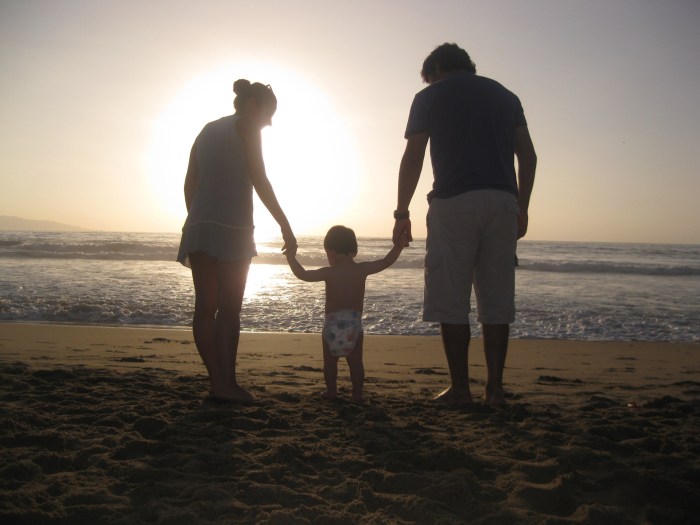
Coastal family vacations are synonymous with sun, sand, and sea, but they also present unique safety and health challenges. Prioritizing these aspects ensures a fun and worry-free experience for everyone. Understanding potential hazards and taking proactive measures is key to a successful trip.
Sun Safety Measures for Families at the Beach
Protecting your family from the sun’s harmful rays is paramount. Sunburns, heatstroke, and long-term skin damage are preventable with the right precautions.
- Apply Sunscreen Generously and Frequently: Use a broad-spectrum sunscreen with an SPF of 30 or higher. Reapply every two hours, or more often if swimming or sweating.
Consider a water-resistant formula for water activities.
- Seek Shade During Peak Sun Hours: The sun’s rays are strongest between 10 a.m. and 4 p.m. Plan activities around these times, seeking shade under umbrellas, trees, or covered areas.
- Wear Protective Clothing: Cover up with hats, sunglasses, and lightweight, long-sleeved clothing when possible. Darker colors offer better sun protection than lighter ones.
- Stay Hydrated: Drink plenty of water throughout the day to prevent dehydration, which can exacerbate the effects of sun exposure.
- Be Aware of Sun Reflections: Remember that sand and water reflect the sun’s rays, increasing exposure. Even under an umbrella, you can still get a sunburn.
Handling Common Health Issues During a Coastal Vacation
Coastal vacations can sometimes lead to common health problems. Knowing how to address them promptly can prevent them from escalating.
- Treating Minor Cuts and Scrapes: Always have a basic first-aid kit with antiseptic wipes, bandages, and antibiotic ointment. Clean wounds thoroughly and cover them to prevent infection.
- Addressing Motion Sickness: If traveling by boat, consider using motion sickness medication or ginger-based remedies to alleviate symptoms.
- Managing Food Poisoning: Be mindful of food safety. Avoid undercooked seafood and be careful with food left out in the sun. If food poisoning occurs, stay hydrated and seek medical attention if symptoms worsen.
- Dealing with Insect Bites and Stings: Pack insect repellent and antihistamine cream. Apply repellent regularly, especially during dawn and dusk. If stung by an insect, remove the stinger (if applicable) and apply the cream to relieve itching and swelling.
Staying Safe in the Water and Preventing Accidents
Water safety is crucial, especially with children. Accidents can happen quickly, so constant vigilance is necessary.
- Supervise Children Closely: Never leave children unattended near water, even for a moment. Designate a responsible adult to watch children at all times.
- Teach Swimming Skills: Enroll children in swimming lessons to teach them basic water safety and swimming techniques.
- Swim in Designated Areas: Swim only in areas supervised by lifeguards. Obey posted warning signs and flags.
- Be Aware of Ocean Conditions: Check the weather forecast and ocean conditions before entering the water. Be cautious of strong currents, rip tides, and large waves.
Rip currents can be dangerous. If caught in one, swim parallel to the shore until you are out of the current, then swim back to the shore.
- Use Appropriate Flotation Devices: Use life jackets for children and non-swimmers when in or near the water. Ensure they are properly fitted.
Emergency Contacts and Important Phone Numbers Families Should Have
Having easy access to emergency contacts can save valuable time in critical situations. Prepare this information before you leave.
- Create a List: Compile a list of emergency contacts, including local emergency services (police, fire, ambulance), the nearest hospital, and the poison control center.
- Include Personal Information: Note any medical conditions, allergies, and medications for each family member.
- Store the List: Keep the list in a readily accessible place, such as your phone, wallet, and accommodation.
- Add Local Information: Include the address and phone number of your accommodation and any important local services.
Best Practices for Dealing with Potential Dangers Like Jellyfish Stings or Sunburns
Knowing how to respond to specific coastal hazards can minimize discomfort and prevent complications.
- Treating Jellyfish Stings: Rinse the affected area with vinegar (if available) or seawater to neutralize the sting. Remove any remaining tentacles carefully. Apply ice packs to reduce pain and swelling. Seek medical attention if symptoms are severe.
- Managing Sunburns: Cool the affected area with cool compresses or a cool shower. Apply aloe vera or a moisturizing lotion to soothe the skin. Drink plenty of water to stay hydrated. Seek medical attention if the sunburn is severe or accompanied by symptoms like fever or blistering.
- Dealing with Heatstroke: Move the person to a cool place. Cool the person with cool water or wet cloths. Give them fluids if they are conscious. Seek immediate medical attention.
Ultimate Conclusion
So there you have it – your comprehensive guide to crafting the perfect coastal family vacation. From choosing your dream destination to packing your bags and ensuring everyone’s safety, we’ve covered it all. Remember to embrace the spontaneity, cherish the moments, and let the waves of joy wash over you. With a little planning and a lot of enthusiasm, your coastal adventure will be a treasure trove of unforgettable memories.
Now go forth, create those sun-kissed smiles, and make some waves!
FAQ Guide
What’s the best age for kids to start enjoying coastal vacations?
There’s no single “best” age, but babies and toddlers can enjoy the beach with proper sun protection and supervision. Older kids, especially those who can swim, often get the most out of activities like building sandcastles, playing in the waves, and exploring tide pools.
How can I keep my kids entertained on long car rides to the coast?
Pack a variety of entertainment options: books, audiobooks, travel games, and tablets loaded with movies or educational apps. Plan for regular stops to stretch legs and burn off energy. Consider creating a “surprise bag” with small, new toys or treats to unveil at intervals.
What should I do if my child gets stung by a jellyfish?
Rinse the area with vinegar or seawater (not freshwater), remove any remaining tentacles, and apply a cold compress. Seek medical attention if the reaction is severe or if the child has difficulty breathing.
How far in advance should I book my coastal vacation?
For peak season travel, book accommodations and flights as early as possible, ideally 6-12 months in advance, to secure the best prices and availability. For off-season travel, you might have more flexibility, but it’s still wise to book a few months ahead.
What are some good alternatives to the beach for kids who get bored easily?
Look for coastal destinations with attractions like aquariums, amusement parks, wildlife sanctuaries, or historical sites. Consider boat tours, nature walks, or exploring local towns and shops to add variety to your itinerary.